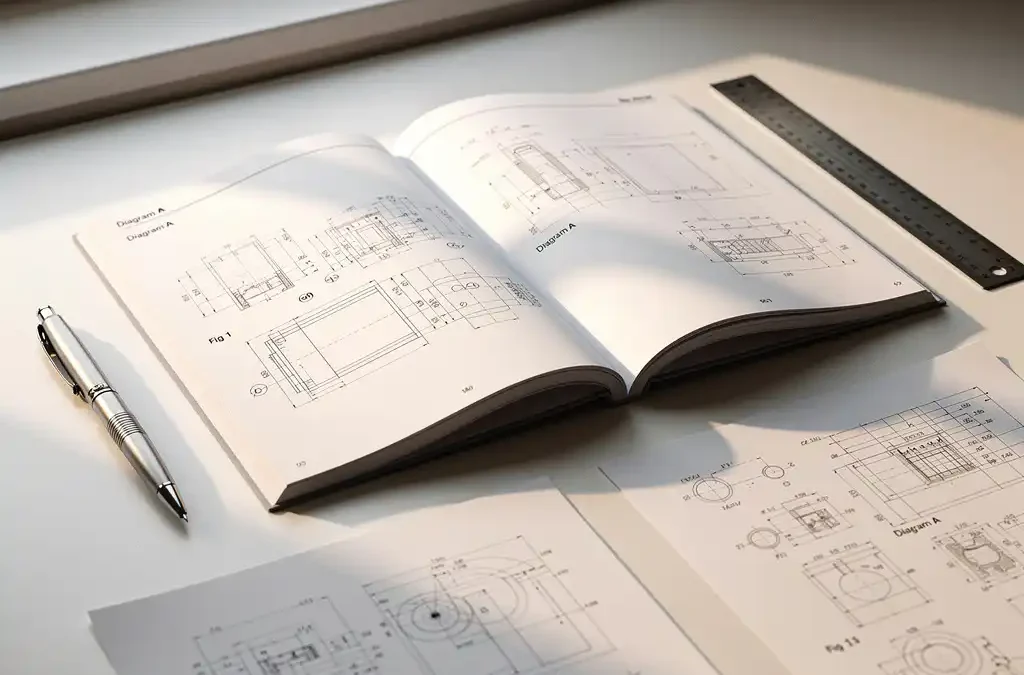
 The cost of having a professional instruction manual written typically ranges from a few hundred to several thousand euros, depending on the complexity of the product, the length of the document, and whether the manual also needs to be translated into multiple...
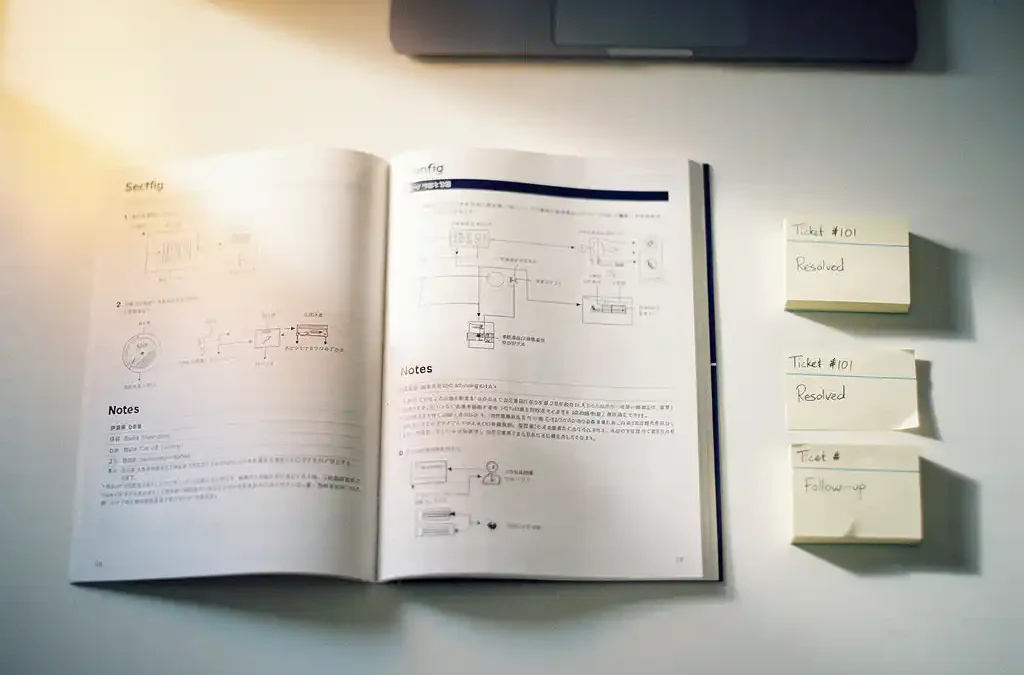 You can reduce support tickets by improving your product documentation through clearer instructions, better structure, and content that directly addresses the questions users actually ask. When documentation answers common questions before users need to ask them,...
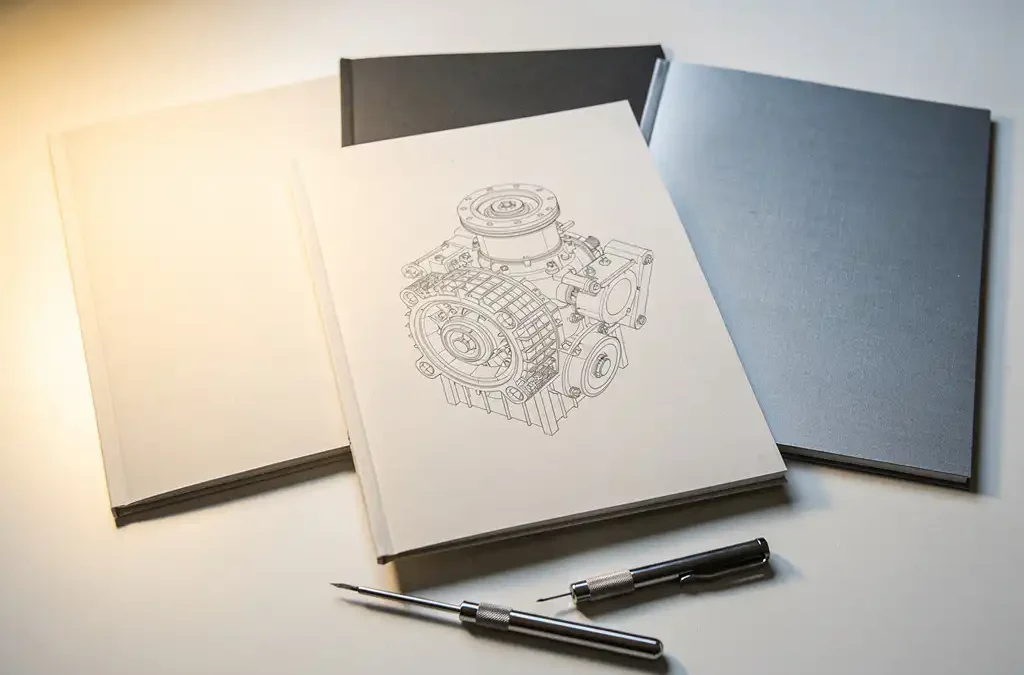 A user manual, service manual, and installation guide are three distinct document types that serve different purposes and different audiences. A user manual explains how to operate a product in everyday use. A service manual provides technical instructions for...
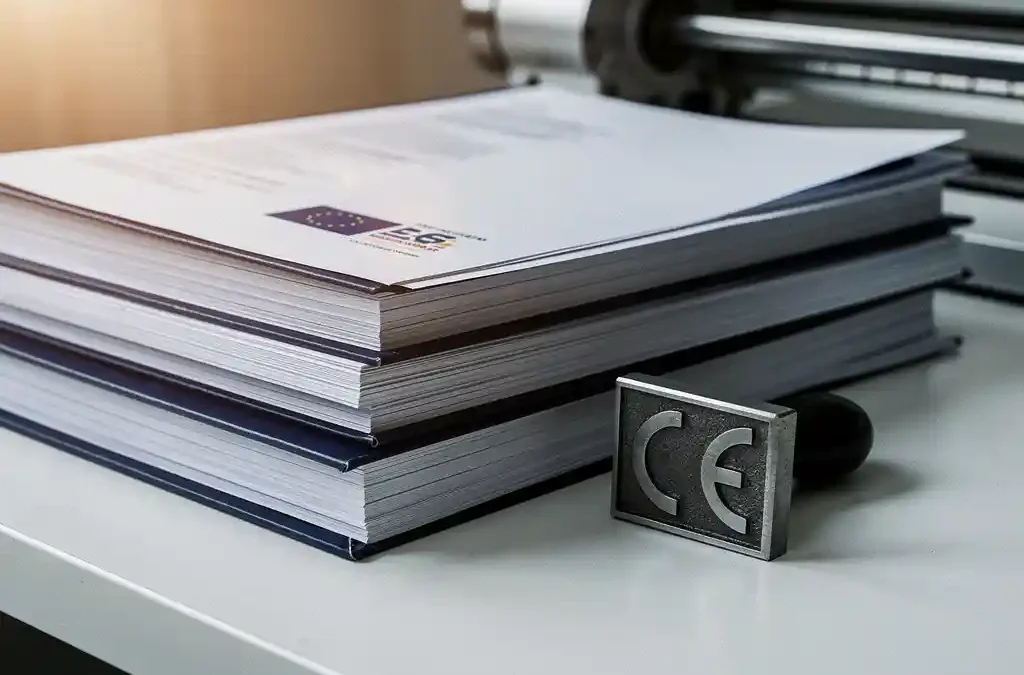 Before you can sell a machine in Europe, EU law requires you to prepare a technical file, draw up a Declaration of Conformity, affix the CE marking, and provide safety documentation in the official language of each country where the machine is placed on the market....
 Writing technical documentation that non-experts can understand comes down to one core principle: write for your reader, not for your subject matter. Strip away jargon, lead with outcomes, and structure information so that someone unfamiliar with the topic can follow...
 Whether to write your own technical manual or hire a professional comes down to one key question: do you have the time, writing skills, and documentation expertise to produce a clear, accurate, and user-friendly guide? For most businesses, especially those operating...