 The choice between a local printer and an international print partner depends on the scale, complexity, and geographic reach of your printing needs. For simple, small-scale jobs, a local printer is often perfectly adequate. However, once you start combining multiple...
 Poor print quality directly and measurably damages brand image. Faded colors, crooked cuts, or low-quality paper send a clear signal to customers: this company pays little attention to detail. For both B2B and B2C brands, printed materials are often the first tangible...
 Improving printed documentation starts with recognizing that every manual, installation guide, or product insert is a direct reflection of your brand. High-quality printed documentation increases customer satisfaction, reduces support requests, and builds confidence...
 Keeping a printed catalog up to date with a frequently changing product range requires a smart combination of modular design, fast reprint options, and a tight management process. The key to the solution lies in separating stable and variable components, so you...
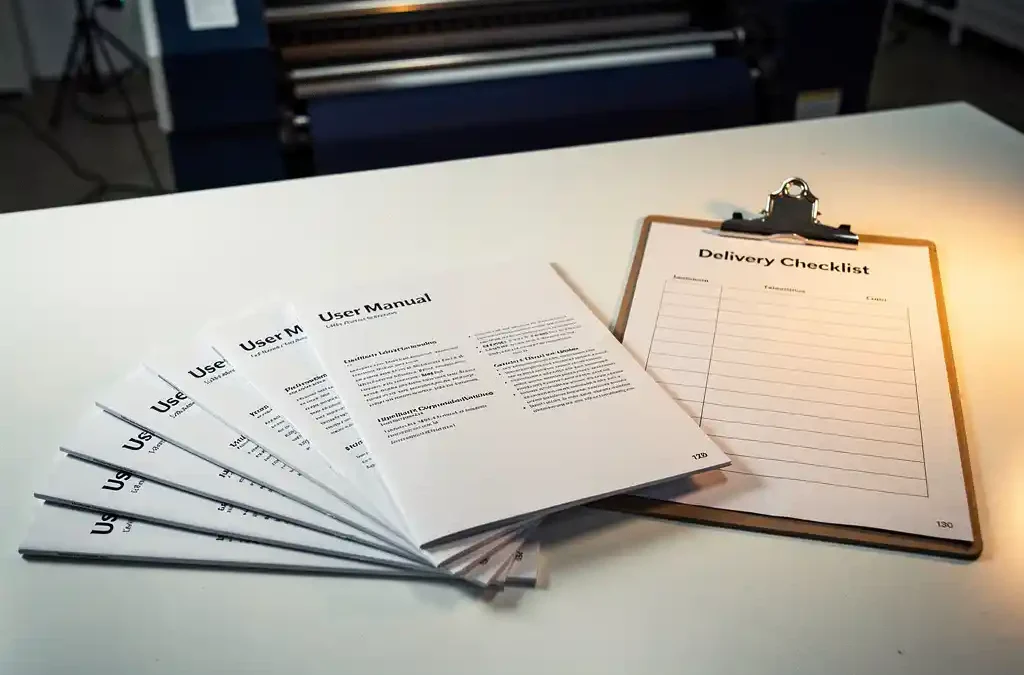 Delays in printing and distributing product documentation can largely be prevented by seamlessly aligning and integrating translation, DTP, and print production early in the process. Most delays do not stem from a single major mistake, but from small coordination...
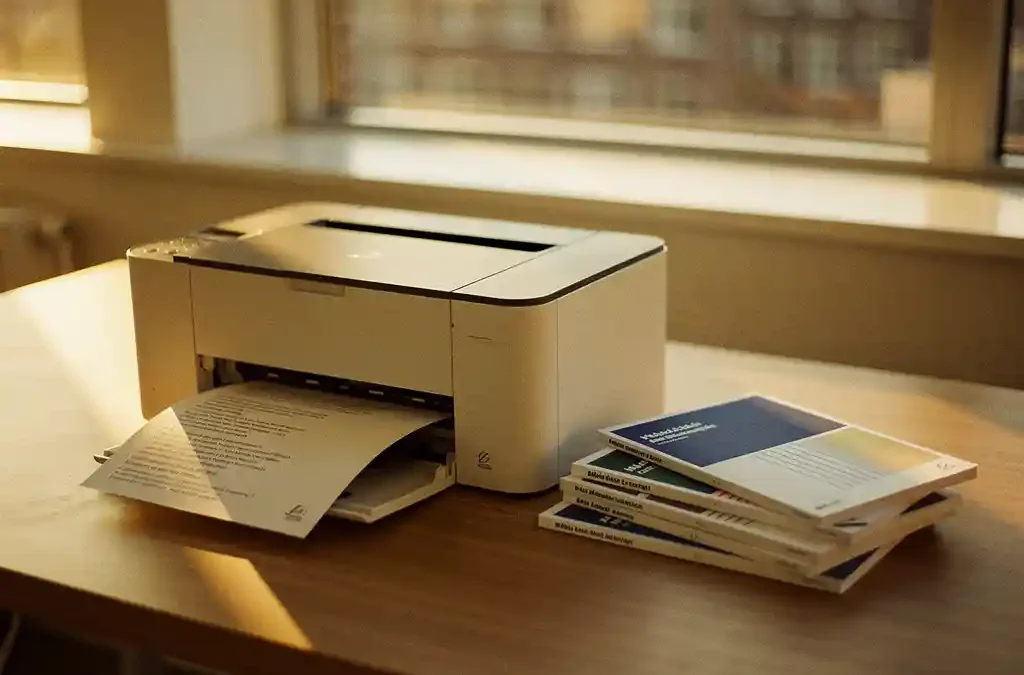 Local printing is generally more cost-effective and faster for markets with specific language requirements or small print runs, while central printing offers cost advantages for large, standardized jobs. The best choice depends on a combination of print volume,...