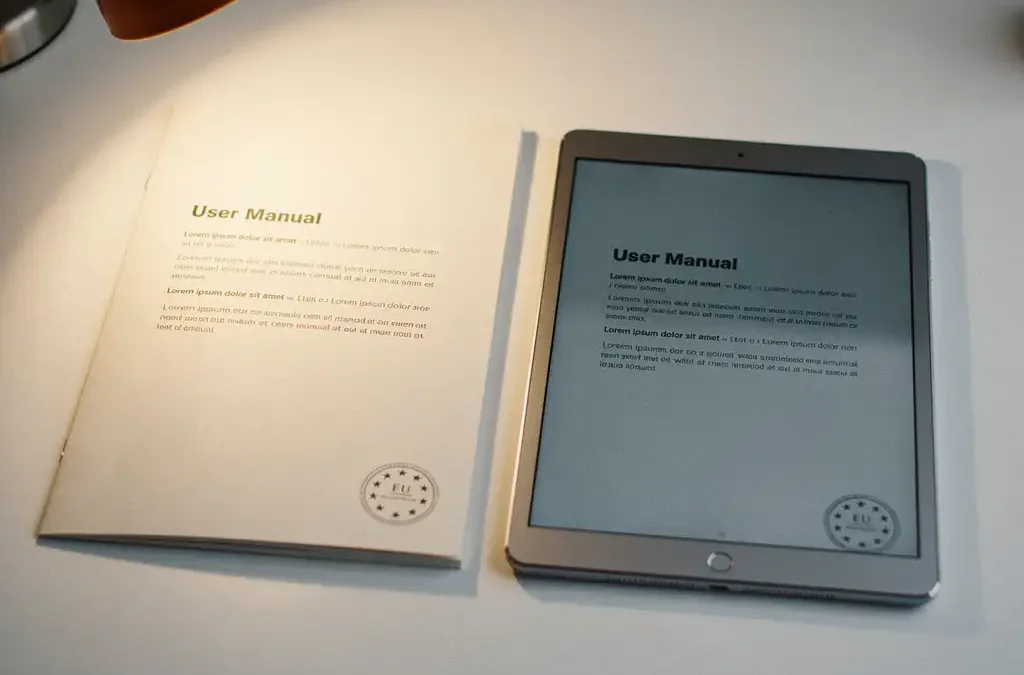
 In most cases, you are not required to provide manuals exclusively in print. European legislation increasingly allows manufacturers to opt for a digital format, provided certain conditions are met. That said, there are situations where a printed version remains...
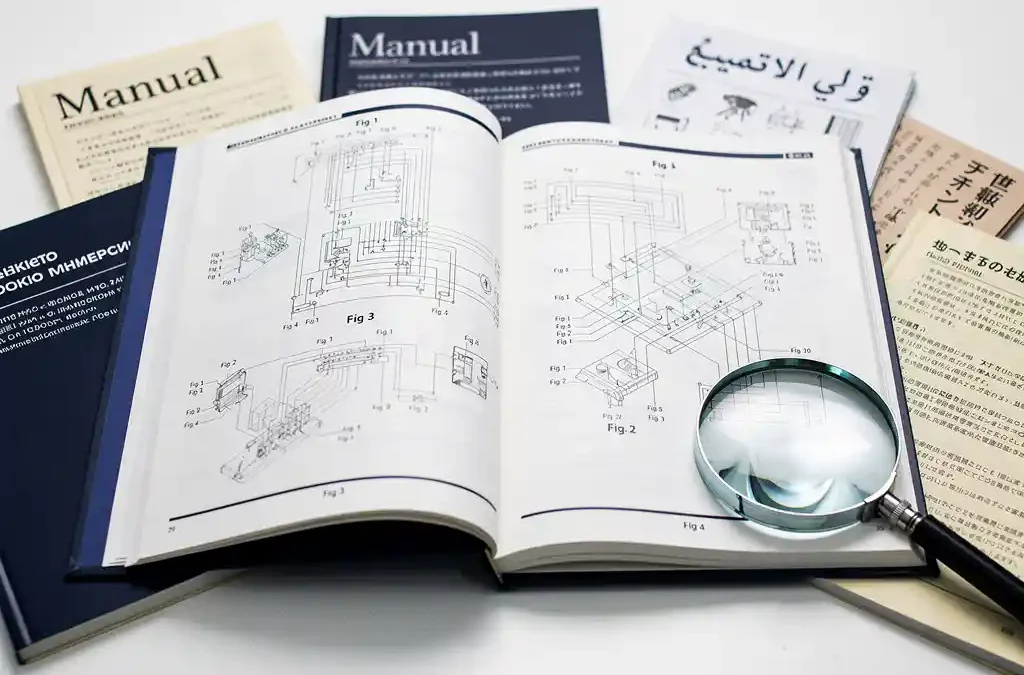 In most cases, it is a legal requirement to translate manuals into the official languages of the countries where your product is sold. Within the European Union, this is a basic requirement: consumers and users must be able to understand product information in their...
 No, you are not automatically required to translate manuals into all official European languages. Which languages are mandatory depends on the markets where your product is sold and the legislation applicable to your product category. In this article, we answer the...
 Offset printing typically requires a minimum print run of 500 to 1,000 copies, depending on the type of print job and the printer. This is directly related to setup costs: offset printing involves the production of physical printing plates, and those fixed costs need...
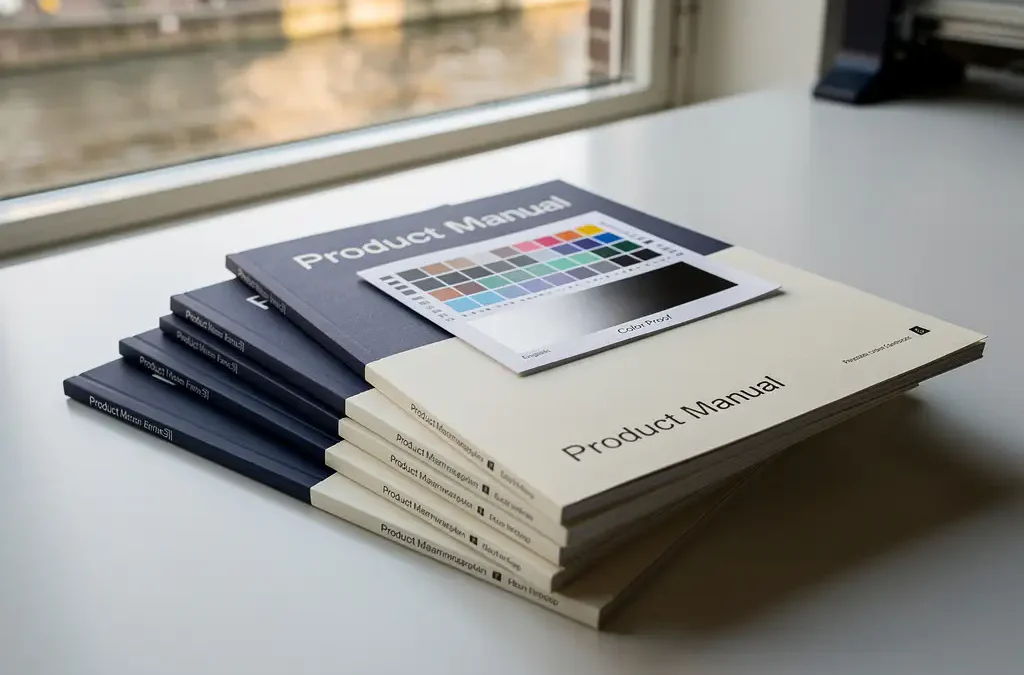 The turnaround time for printing product documentation in multiple languages typically ranges from two to six weeks, depending on the number of languages, the complexity of the content, and the chosen printing method. The more languages involved and the more technical...
 Preparing print materials for international distribution requires careful attention to local documentation requirements, proper file preparation, and a consistent translation and localization strategy. This applies to any product that crosses a border physically, from...