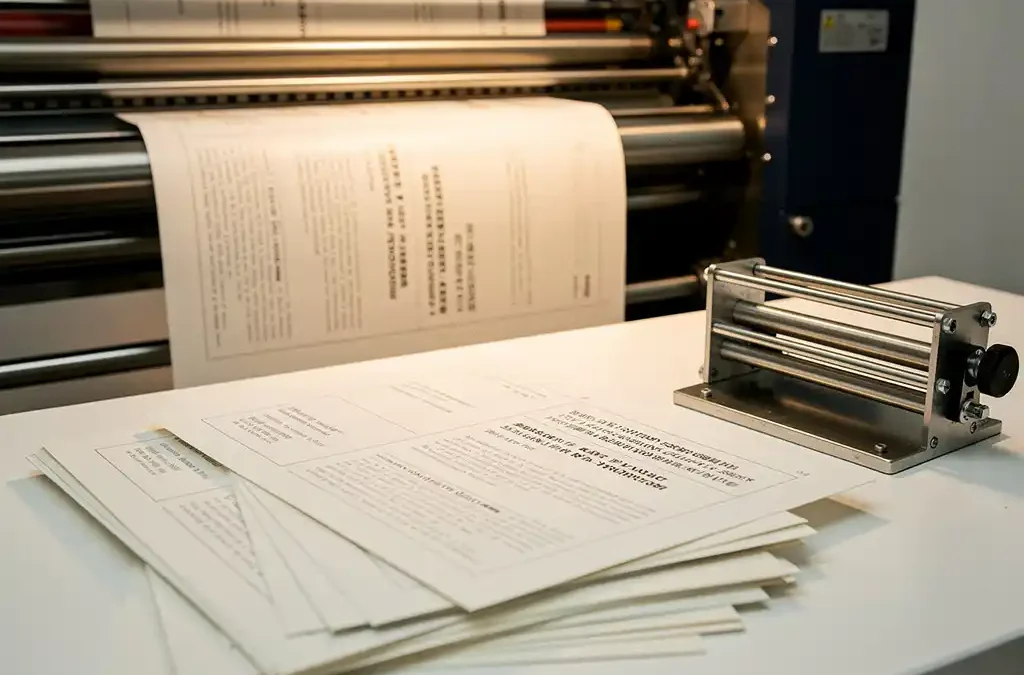
 The layout and printing of documentation can be handled by a specialized DTP studio, a print shop, or a translation agency that offers both services under one roof. For technical documentation, the latter is often the most efficient choice, as translation, layout, and...
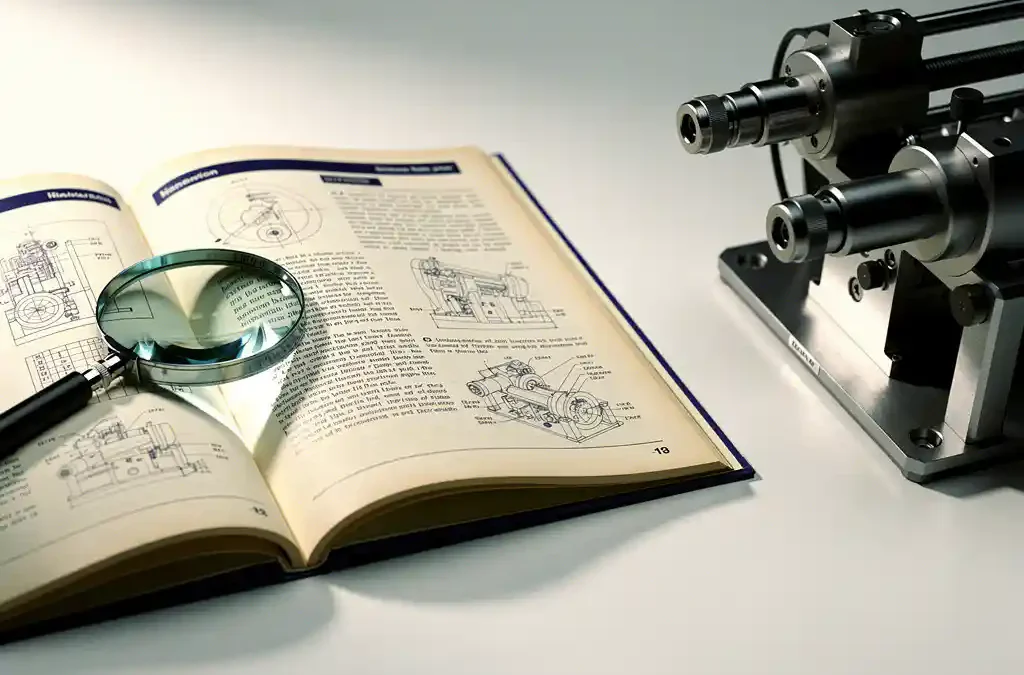 Printed manuals offer a tangible, always-available source of information that requires no power, internet connection, or device. For companies supplying products to diverse audiences, print provides a reliable way to guide users regardless of their technical skills or...
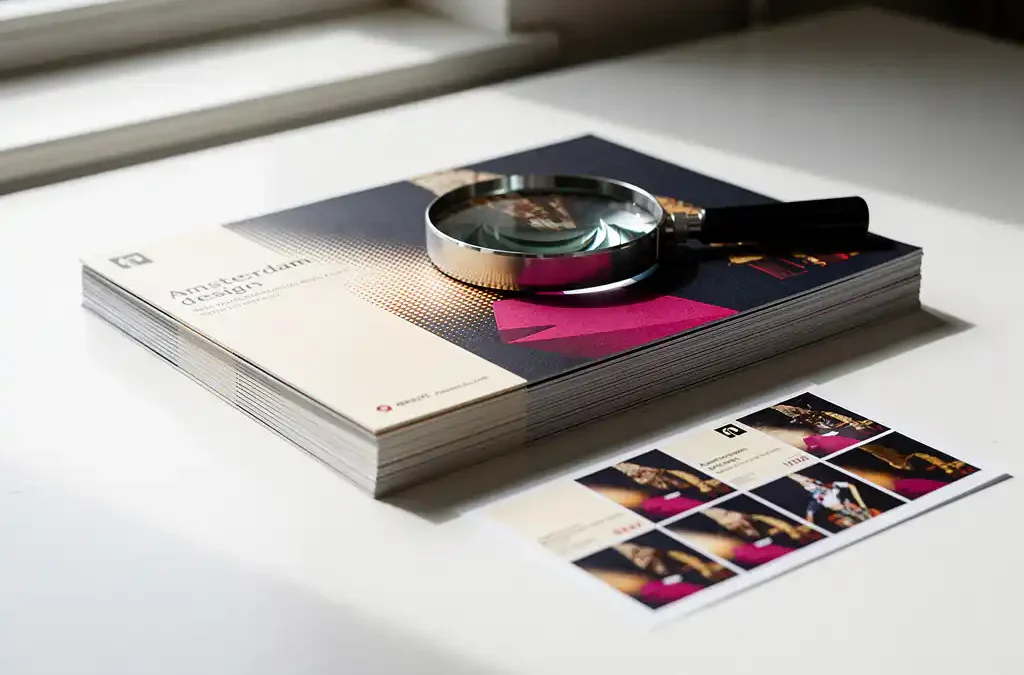 The answer depends on your print run size and how frequently your content changes. Print-on-demand is almost always more cost-effective for small print runs and frequent updates, while offset printing is the most cost-efficient choice when you need thousands of...
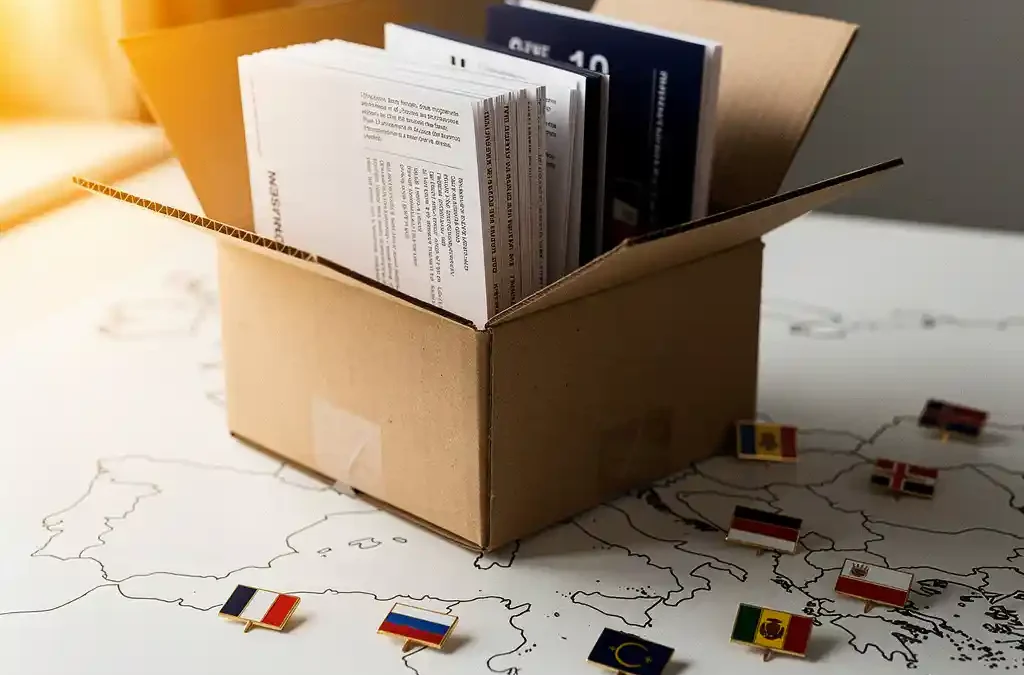 If you sell products across multiple European countries, you need a print-on-demand partner who can produce and deliver multilingual documentation quickly and reliably. The right partner combines local market knowledge with an efficient production process, so you can...
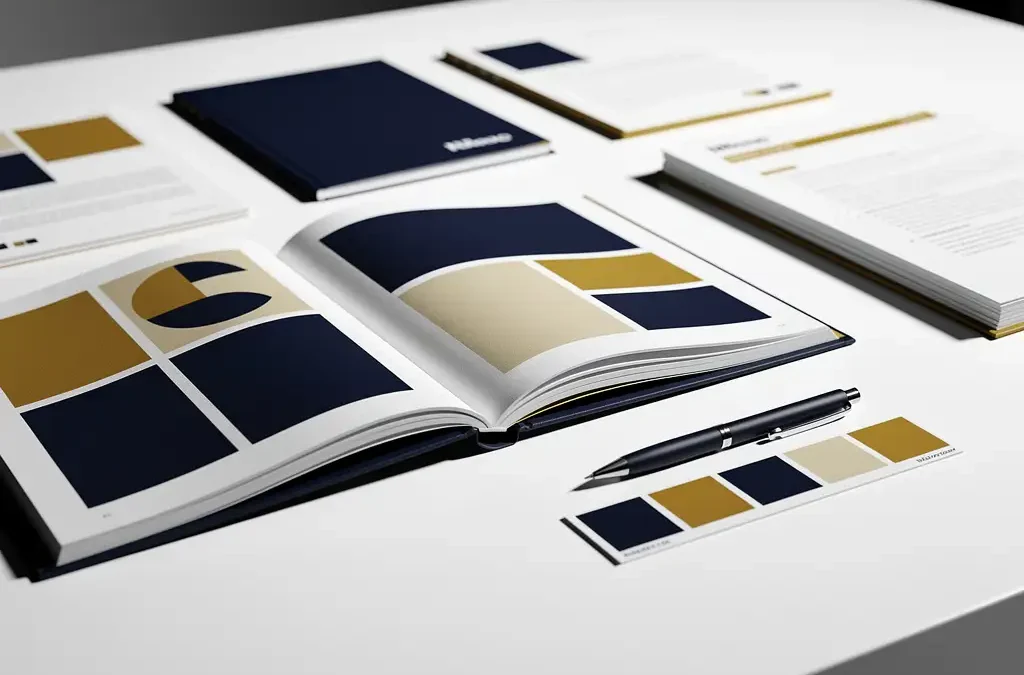 Maintaining brand identity in documentation means applying a consistent house style, using fixed terminology, and consistently incorporating visual elements such as logos, colors, and typography in every document your organization produces. This applies to technical...
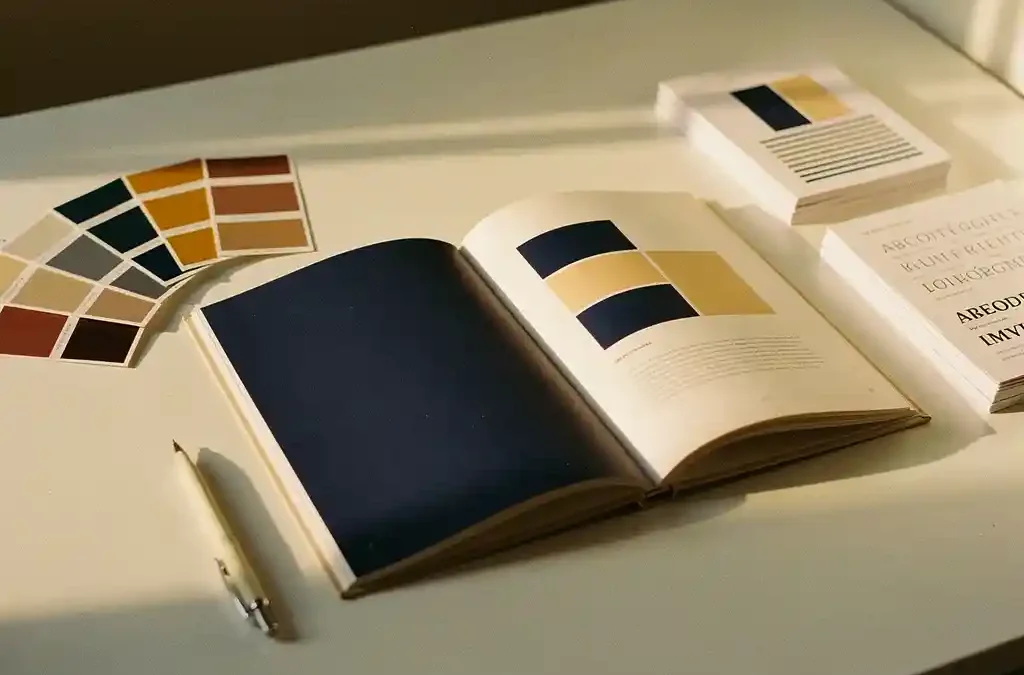 Making documentation look more professional starts with three things: a consistent visual style, professional layout through DTP, and quality print work. Whether it’s a technical manual, a product brochure, or multilingual user documentation, the visual...