
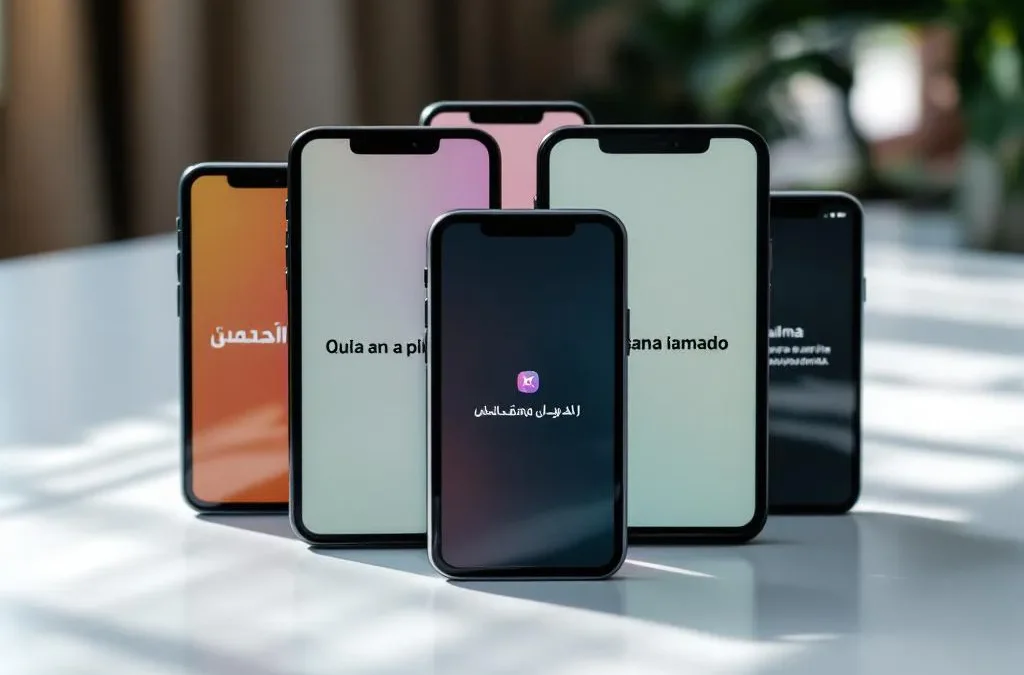
Software localisation is the comprehensive process of adapting software applications for specific markets, cultures, and languages. Unlike simple translation, it involves modifying user interfaces, date formats, currencies, cultural elements, and technical requirements to create authentic local experiences. This process ensures that software functions naturally for users in different regions while maintaining full functionality and cultural relevance. Understanding the differences between translation and localisation helps businesses make informed decisions about global expansion strategies.
What is software localisation, and how does it differ from translation?
Software localisation transforms applications to function seamlessly in specific markets by addressing cultural, technical, and linguistic requirements beyond text translation. It adapts user interfaces, functionality, and the user experience to match local expectations and technical standards.
Translation focuses solely on converting text from one language to another, maintaining the original meaning while changing the words. Software localisation includes translation but extends much further into the overall user experience.
Key differences between translation and localisation include:
- User interface adaptation, including button sizes, text expansion, and layout modifications
- Date and time format adjustments to match regional standards
- Currency conversion and payment method integration
- Cultural colour preferences and imagery selection
- Legal compliance requirements for data protection and accessibility
- Technical considerations, such as character encoding and right-to-left text support
Localisation also addresses functional elements such as address formats, phone number structures, and measurement units. These modifications ensure the software feels native to local users rather than obviously foreign.
Why is software localisation essential for global business success?
Software localisation drives international business growth by creating authentic user experiences that increase adoption, satisfaction, and revenue in target markets. Properly localised software removes barriers that prevent users from engaging with applications effectively.
Market expansion opportunities multiply when software speaks to users in their native language and cultural context. Users are significantly more likely to adopt and continue using software that feels designed specifically for their region.
Business benefits of software localisation include:
- Improved user experience leading to higher engagement rates
- Increased customer satisfaction and retention
- Competitive advantages in local markets
- Legal compliance with regional regulations
- Enhanced brand credibility and trust
- Revenue growth through expanded market reach
Companies that invest in proper localisation often see faster market penetration than those offering generic, English-only solutions. Local users perceive localised software as more trustworthy and professional.
Compliance requirements also make localisation essential rather than optional. Many regions have specific data protection, accessibility, and consumer protection laws that require localised implementation.
What does the software localisation process actually involve?
The software localisation process follows a structured workflow, beginning with internationalisation preparation and progressing through content adaptation, technical integration, and comprehensive quality assurance testing phases.
Internationalisation preparation involves making software code capable of supporting multiple languages and regions without requiring structural changes. This foundational step enables efficient localisation implementation.
The localisation workflow includes:
- Content extraction from source code and user interfaces
- Translation and cultural adaptation of all text elements
- Technical integration of localised content into the software
- User interface modifications for text expansion and layout
- Functional testing across different operating systems
- Linguistic quality assurance by native speakers
- Cultural review to ensure appropriate local representation
- Final testing and bug resolution
Each phase requires coordination between translators, developers, and cultural consultants to ensure technical functionality and cultural appropriateness. Testing phases are particularly crucial, as they identify issues that could prevent successful software deployment.
Quality assurance procedures verify that localised software maintains full functionality while delivering authentic local experiences. This includes testing payment systems, date calculations, and region-specific features.
How do you choose the right software localisation approach for your project?
Choosing the appropriate localisation approach requires evaluating project requirements, target markets, budget constraints, timeline expectations, and technical complexity to determine the most effective strategy for your specific situation.
Assessing project requirements begins with understanding your target audience’s needs, market priorities, and business objectives. Different markets may require varying levels of localisation depth based on user expectations and competitive landscapes.
Localisation strategy options include:
- Full localisation covering all software elements and cultural adaptations
- Partial adaptation focusing on essential user interface elements
- Phased approaches prioritising high-impact markets and features
- Maintenance localisation for ongoing updates and improvements
Budget considerations influence strategy selection, as full localisation requires more resources than partial approaches. However, incomplete localisation may limit market success and user adoption rates.
Timeline constraints often determine whether a phased implementation makes sense for your business goals. Some companies prioritise key markets initially, then expand localisation to additional regions based on performance results.
Technical complexity varies significantly between software types. Simple applications may require basic translation, while complex enterprise software needs extensive cultural and functional adaptation.
Successfully localised software opens doors to global markets and creates meaningful connections with international users. The investment in proper localisation pays dividends through increased user adoption, market credibility, and long-term business growth. For guidance on implementing effective localisation strategies for your software projects, contact our team or request a quote to discuss your specific requirements.
Frequently Asked Questions
How long does a typical software localisation project take from start to finish?
Software localisation timelines vary significantly based on project complexity, ranging from 2-4 weeks for simple mobile apps to 3-6 months for enterprise software. Factors affecting duration include the number of target languages, amount of content, technical complexity, and whether the software is already internationalised. Planning for adequate testing and quality assurance phases is crucial, as rushing these steps often leads to costly post-launch issues.
What are the most common mistakes companies make during their first localisation project?
The biggest mistake is starting localisation without proper internationalisation, leading to expensive code restructuring. Other frequent errors include underestimating text expansion (some languages require 30-50% more space), neglecting cultural testing with native speakers, and assuming direct translation is sufficient. Companies also often overlook legal compliance requirements and fail to plan for ongoing maintenance of localised versions.
How much should I budget for software localisation per target market?
Localisation costs typically range from $10,000-$50,000 per language for small to medium applications, while enterprise software can cost $50,000-$200,000+ per market. Key cost factors include word count, technical complexity, cultural adaptation requirements, and ongoing maintenance needs. It’s wise to budget an additional 20-30% for testing, quality assurance, and unexpected technical challenges that often arise during implementation.
Can I localise my software incrementally, or does it need to be done all at once?
Incremental localisation is not only possible but often recommended, especially for resource-constrained projects. Many successful companies start with core user interface elements and essential features, then gradually expand to include help documentation, marketing materials, and advanced features. This phased approach allows you to test market response, gather user feedback, and refine your localisation strategy before full investment.
How do I maintain consistency across multiple localised versions when updating my software?
Establish a centralised translation memory system and maintain detailed style guides for each target market from the beginning. Use translation management platforms that sync updates across all language versions, and implement a standardised workflow where source changes trigger immediate notifications to localisation teams. Regular communication between development and localisation teams, combined with automated testing procedures, helps ensure consistency and prevents version fragmentation.
What technical preparations should my development team make before starting localisation?
Your development team should implement proper internationalisation (i18n) practices including Unicode support, externalized strings, flexible UI layouts that accommodate text expansion, and separation of code from content. Ensure your database supports international character sets, implement proper date/time handling, and design APIs that can handle multiple currencies and regional formats. These preparations significantly reduce localisation complexity and costs.
How do I measure the success and ROI of my software localisation efforts?
Track key metrics including user adoption rates in target markets, customer satisfaction scores, support ticket volumes in local languages, and revenue growth per localised market. Compare conversion rates between localised and non-localised regions, monitor app store ratings and reviews in local languages, and measure time-to-market penetration. Most companies see positive ROI within 6-18 months, with successful localisation typically increasing market penetration by 200-400% in target regions.
Related Articles
- What is the best way to update printed marketing materials after a product change?
- What is the difference between print-on-demand and offset printing, and which solution is right for my business?
- Should I write my own technical manual or hire someone?
- How do I build trust with customers who don't speak my language?
- How do you integrate localisation into development cycles?