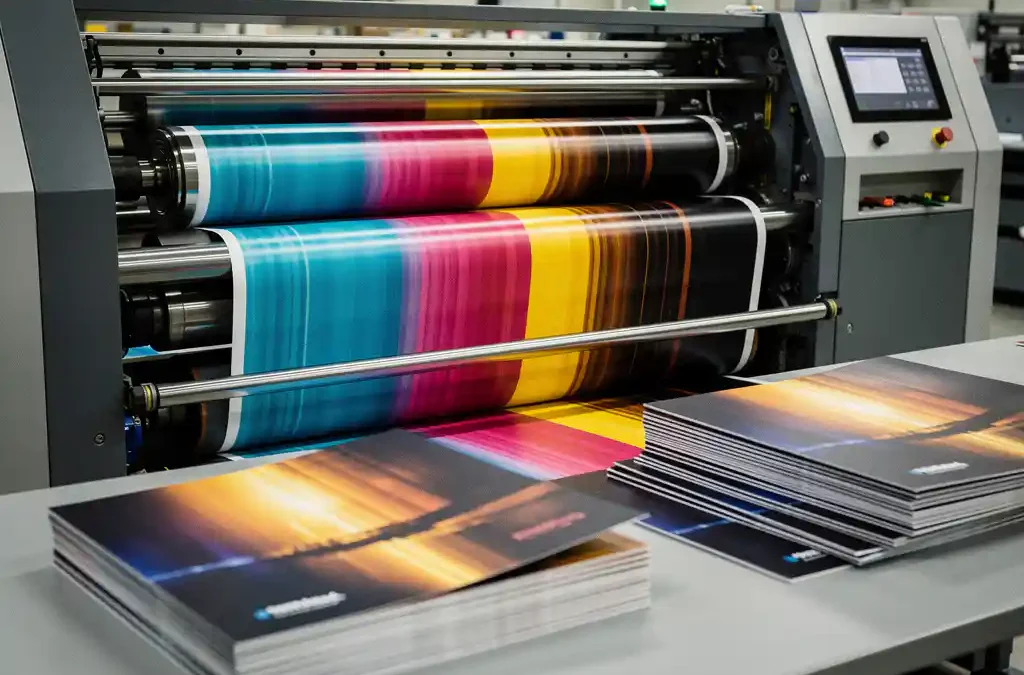
 The most important difference between digital printing and offset printing for large print runs lies in the cost structure: offset printing becomes significantly cheaper per unit at higher quantities, while digital printing is more economical for small to medium print...
 Print materials help your brand project a premium image by delivering tangible quality signals that digital communication simply cannot match. When a customer picks up a business card, brochure, or package, the physical experience instantly forms a judgment about the...
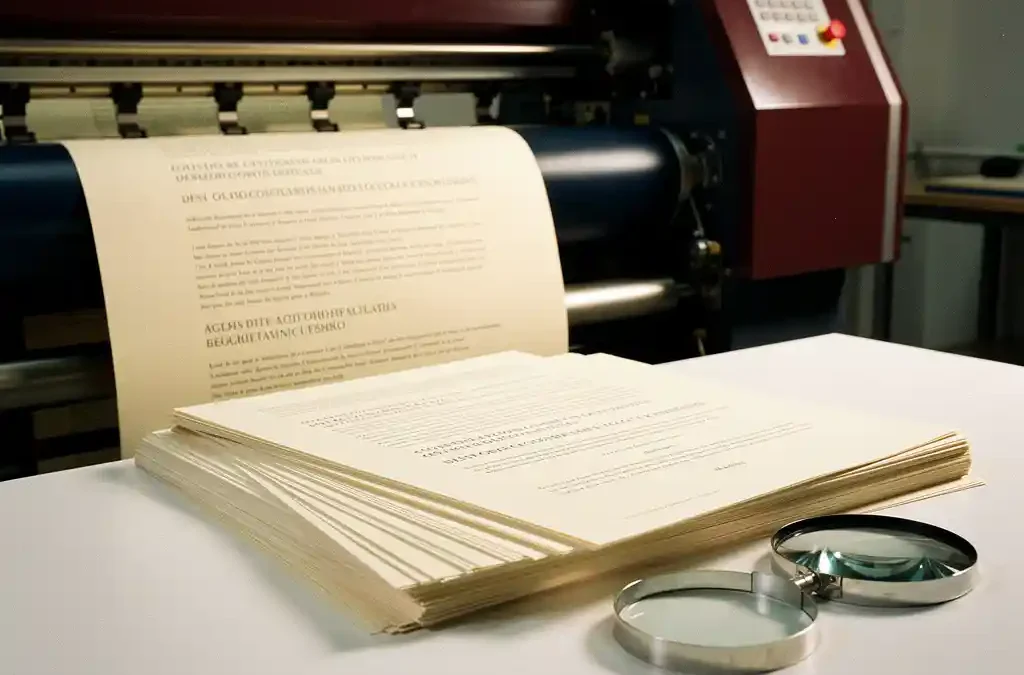 When translating and printing multilingual documentation, you need to account for text expansion, region-specific print requirements, file formats, terminology management, and the logistical coordination between translation and production. Together, these factors...
 Printing manuals is generally more harmful to the environment than offering them digitally, but the difference is more nuanced than it appears. Printed manuals consume paper, ink, and energy during production and transport, while digital versions require energy for...
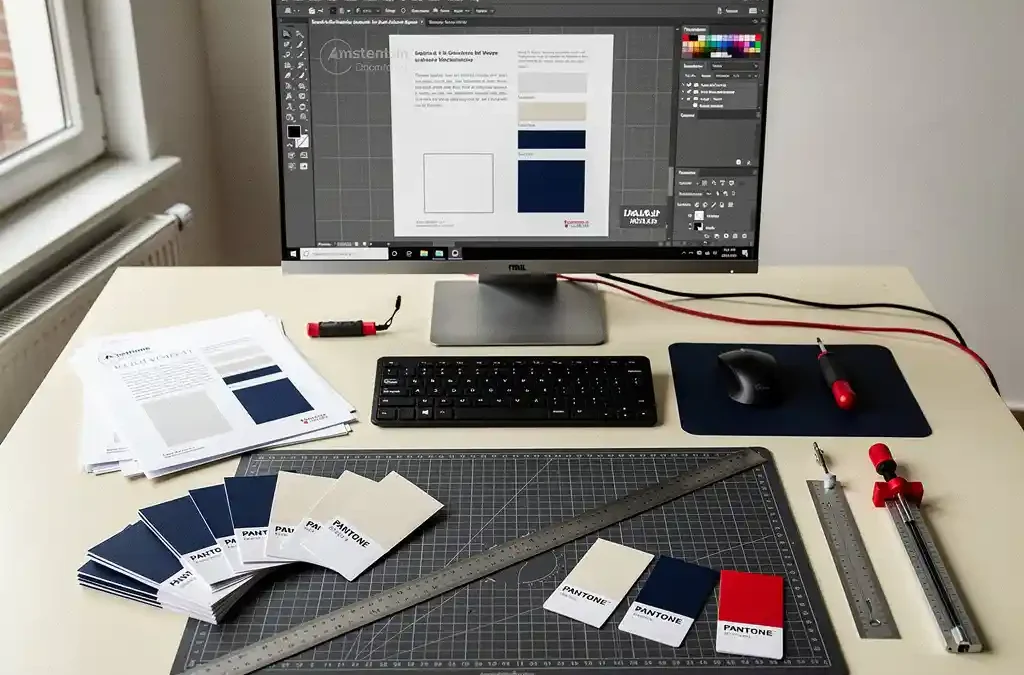 Translation, layout, and printing are most efficiently combined by placing them with a single supplier that handles all three disciplines in-house and executes them as one continuous process. This eliminates the handover costs, version errors, and scheduling problems...
 The triman logo is a French recycling label that indicates a product or packaging falls under a recognized collection system in France. If you place products or packaging on the French market, you are in many cases legally required to display this logo. The same...