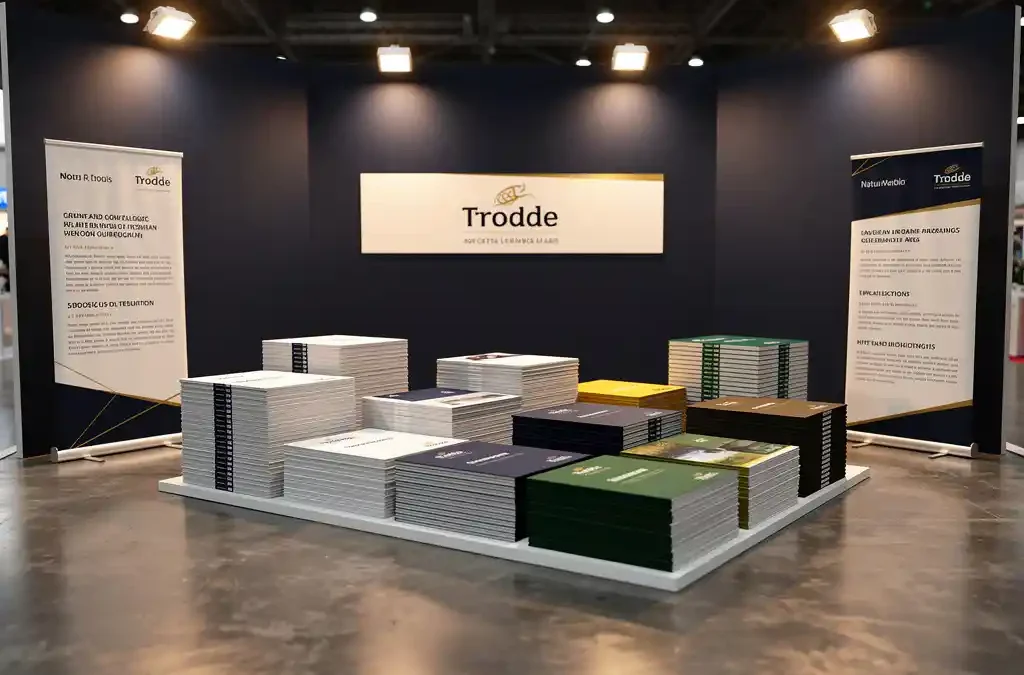
 Trade show and event print materials are subject to specific technical requirements regarding file formats, resolutions, materials, and dimensions. The exact requirements depend on the type of print material, the size of the item, and the rules set by the trade show...
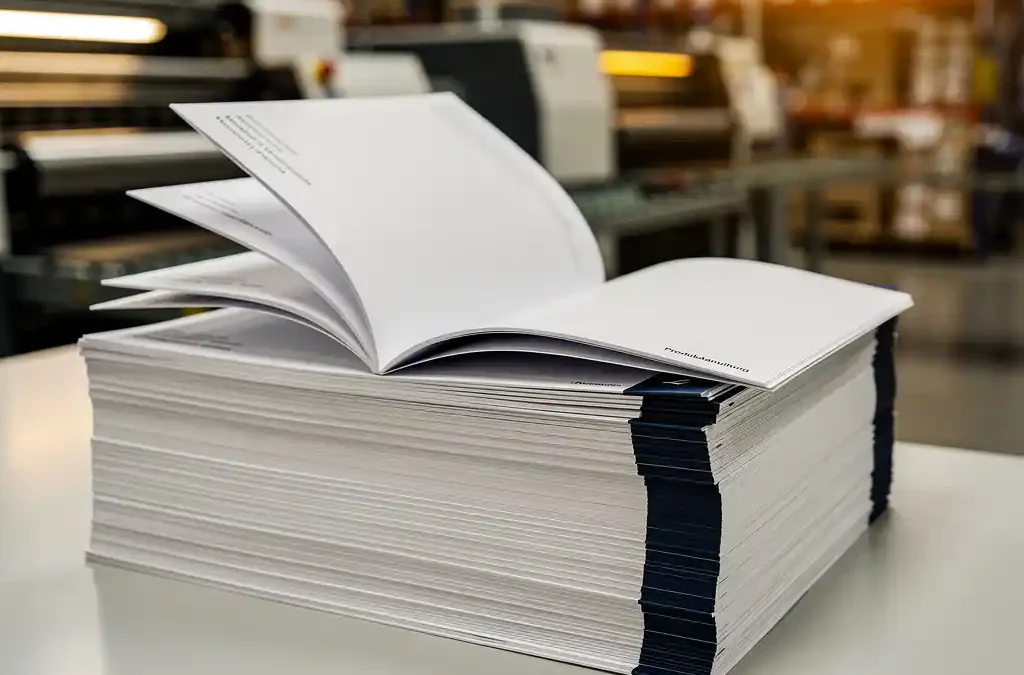 For a European product launch, printing large quantities of manuals is most efficient through a combined approach of offset printing for high print runs and digital printing for smaller or variable runs. The key lies in aligning translation, layout, and printing early...
 The best printing solution for seasonal promotional materials is digital printing for short, flexible print runs and offset printing for larger volumes where the cost per unit matters. The right choice depends on your print run, lead time, and type of material. In...
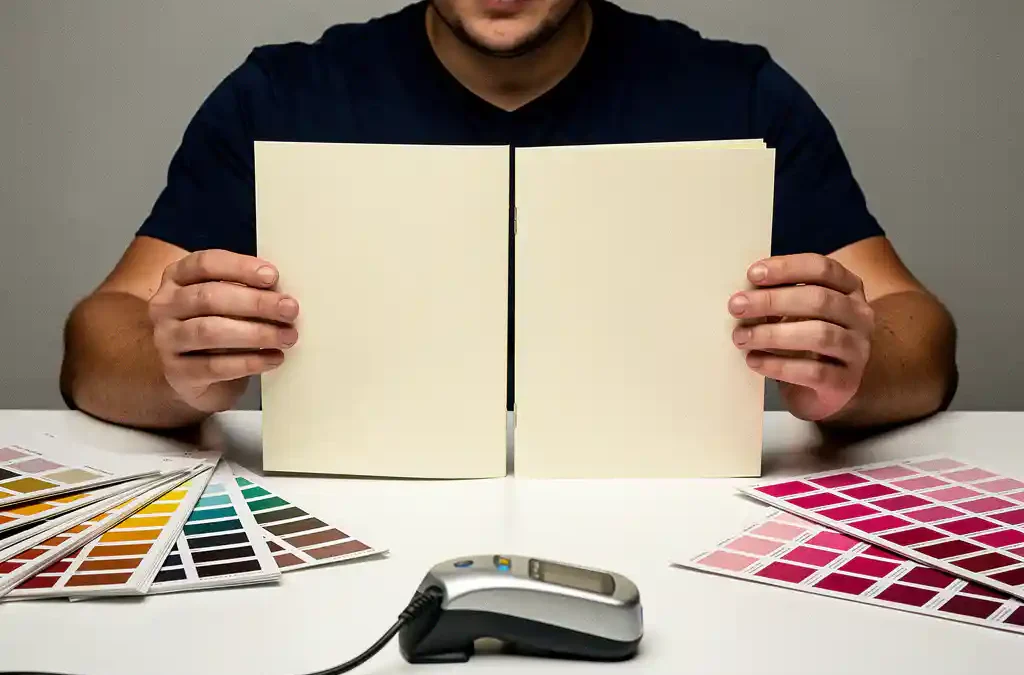 You can prevent color differences between print runs by working with fixed color standards such as Pantone references, certified ICC color profiles, and written agreements with your printer regarding tolerances and approval procedures. The more consistently you...
 Yes, printing short runs of product manuals per target market is certainly possible. Digital print shops make it feasible today to produce even a few dozen copies per language version without excessive costs. Whether you need fifty manuals for the Scandinavian market...
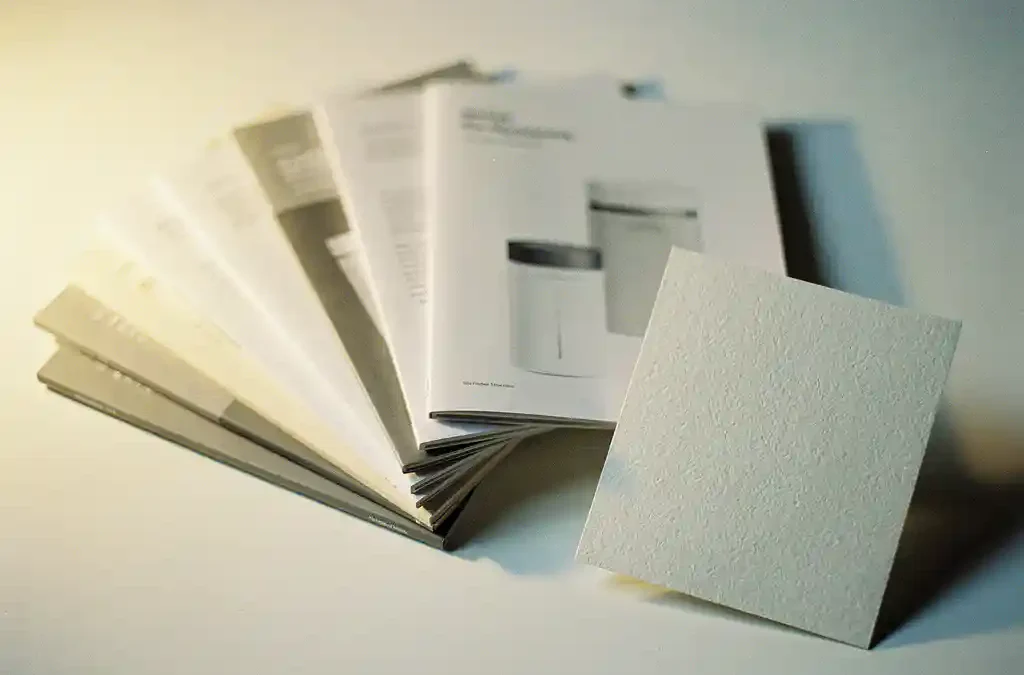 For most product manuals, uncoated paper with a weight between 80 and 100 g/m² is the most suitable choice. It reads comfortably, accepts handwriting well, and keeps production costs manageable. The exact choice depends on how the manual will be used, the printing...