
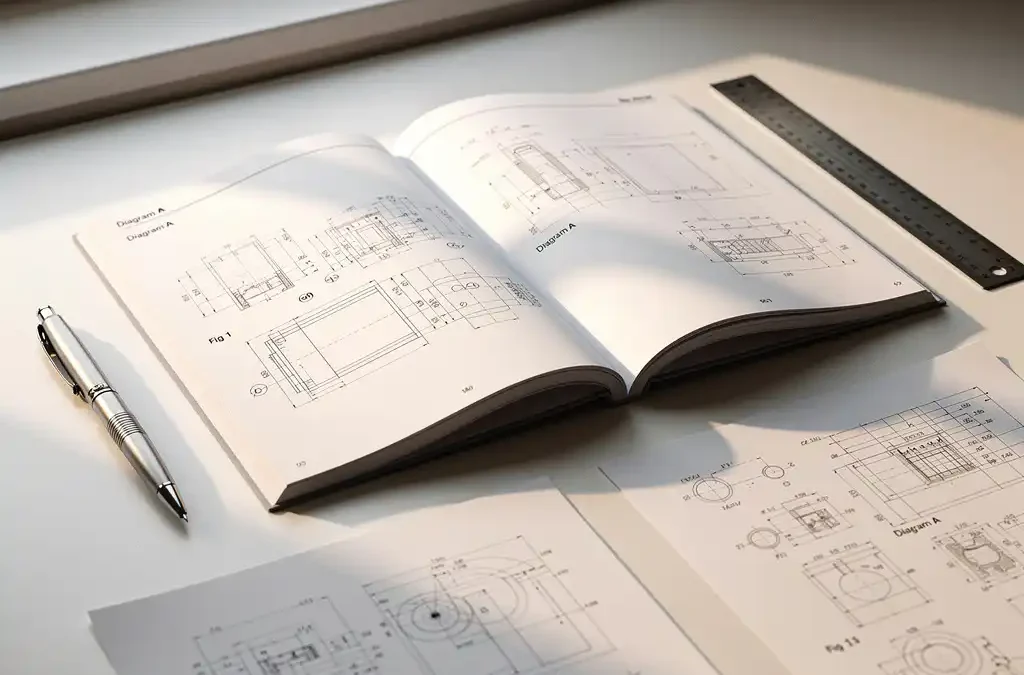
The cost of having a professional instruction manual written typically ranges from a few hundred to several thousand euros, depending on the complexity of the product, the length of the document, and whether the manual also needs to be translated into multiple languages. For a straightforward consumer product, you might spend around 500 to 1,500 euros on a basic manual. For complex technical or industrial equipment requiring deep expertise, the cost can rise considerably. Our translation and localisation services cover the full documentation journey, from writing and formatting to multilingual delivery. The sections below break down the key cost drivers and help you plan your documentation budget wisely.
What factors determine the cost of a professional instruction manual?
The cost of a professional instruction manual is primarily determined by the complexity of the product being documented, the length and depth of content required, the technical expertise needed from the writer, and the format in which the final document must be delivered. Each of these factors can independently push costs higher or lower, and they often compound one another.
A manual for a simple household appliance requires far less research and specialised knowledge than one for industrial machinery or medical equipment. Writers who can accurately document regulated or safety-critical products typically charge more because their expertise is scarce and the stakes of errors are high.
Document length matters too, but it is not the only measure of effort. A short manual that requires extensive product testing, interviews with engineers, or compliance with specific regulatory standards can take far longer to produce than a lengthy but straightforward user guide. The format also plays a role: a PDF-only document is cheaper to produce than one requiring structured authoring in XML, interactive HTML, or print-ready DTP layouts.
Other cost factors include:
- The number of review cycles and stakeholder approvals involved
- Whether the writer must create content from scratch or can work from existing drafts
- The need for diagrams, illustrations, or screenshots that must be sourced or created
- Turnaround time, as rush projects typically carry a premium
How much does a technical writer typically charge per page or per hour?
Freelance technical writers in Europe generally charge between 50 and 120 euros per hour, or between 80 and 200 euros per finished page, depending on their level of experience and the technical domain. Highly specialised writers working in fields such as aerospace, pharmaceuticals, or advanced manufacturing sit at the upper end of that range.
Per-page rates can be misleading because page density varies widely. A page filled with step-by-step instructions and numbered lists takes less time to write than a page of dense technical explanation. Most experienced writers prefer hourly or project-based pricing for this reason, as it more accurately reflects the actual effort involved.
Project-based quotes are increasingly common for full manuals. A complete instruction manual for a mid-complexity product might be quoted as a fixed project at 1,500 to 5,000 euros, covering research, writing, one or two revision rounds, and final delivery in the agreed format. This gives both parties clarity and avoids scope disputes during the project.
What’s the difference between hiring a freelancer and using a documentation agency?
The key difference between hiring a freelance technical writer and working with a documentation agency is the scope of support you receive. A freelancer provides writing expertise, while an agency provides a coordinated team that can handle writing, editing, DTP, translation, and delivery as a single integrated workflow.
What a freelancer offers
A skilled freelancer can be an excellent and cost-effective choice for straightforward projects with a clear scope. They tend to be flexible, responsive, and often develop a deep understanding of a client’s products over time. The risk is capacity: a solo writer has limited bandwidth, and if your project grows or timelines shift, you may encounter delays. You also need to manage additional vendors separately if you need DTP formatting or translation.
What a documentation agency offers
An agency brings together multiple disciplines under one roof. Beyond writing, you gain access to editors, DTP specialists, translators, and project managers who coordinate the entire process. This is particularly valuable when a manual needs to be delivered in multiple languages simultaneously, or when the document must meet specific print and formatting standards. The trade-off is that agency pricing is generally higher than hiring a freelancer directly, though the time saved in coordination often justifies the difference for larger or ongoing projects.
Does translating an instruction manual significantly increase the overall cost?
Yes, translating an instruction manual does significantly increase the overall cost, but the degree of increase depends on the number of target languages, the word count of the source document, and whether professional localisation (adapting content for cultural context) is required alongside literal translation. Each language pair is typically priced separately.
Translation is generally priced per word, with rates in Europe ranging from around 0.10 to 0.25 euros per word per language depending on the language pair and specialisation required. A 5,000-word manual translated into five languages could therefore add 2,500 to 6,250 euros to your project cost, before factoring in DTP reformatting for each language version.
Localisation goes a step further than translation. It adapts not just the language but the tone, units of measurement, regulatory references, and cultural conventions for each target market. This is particularly important for safety instructions, where a mistranslation or cultural mismatch can create genuine liability. Using native translators with subject-matter expertise, as we do at Crestec Europe across more than 90 languages, ensures that the meaning and intent of your original manual are preserved accurately in every market.
One way to manage translation costs is to invest in a clean, well-structured source document. Manuals that use clear, consistent terminology and avoid idiomatic language are significantly cheaper and faster to translate than those written in an informal or inconsistent style.
What’s the most cost-effective way to commission a professional instruction manual?
The most cost-effective approach to commissioning a professional instruction manual is to plan the full documentation lifecycle upfront, including writing, formatting, and any required translations, before work begins. Treating these as separate afterthoughts typically increases both cost and turnaround time significantly.
Start with a clear brief. Define the product, the intended audience, the required languages, the delivery format, and the regulatory standards the manual must meet. A well-scoped brief reduces back-and-forth with writers and minimises costly revisions. It also enables agencies to give you accurate fixed-price quotes rather than open-ended hourly estimates.
Consider working with a partner who can handle writing, DTP, and translation in an integrated workflow. When these steps are managed separately by different vendors, you often pay for duplicate formatting work and spend significant time coordinating handoffs. A single provider who manages the full process from source content to multilingual final output typically delivers better value, faster.
Also think about content reuse. If your product range includes multiple similar items, a modular documentation approach allows content blocks to be reused and adapted rather than rewritten from scratch for each product. Over time, this reduces per-unit documentation costs considerably.
If you are ready to explore what a complete documentation solution looks like for your product, we would be glad to help. Request a quote to get started, or contact us directly to discuss your project needs with our team.
Frequently Asked Questions
How long does it typically take to have a professional instruction manual written?
The timeline depends heavily on product complexity and document scope. A basic consumer product manual might take one to two weeks, while a comprehensive manual for industrial or regulated equipment can take four to eight weeks or more, especially when multiple review cycles and stakeholder sign-offs are involved. Rush timelines are possible but typically carry a cost premium, so building adequate lead time into your product launch schedule is strongly advisable.
Do I need to provide anything to the technical writer before work can begin?
Yes, the more you can provide upfront, the faster and more cost-effective the process will be. Useful materials include engineering specifications, CAD drawings or product photos, existing drafts or legacy manuals, a list of safety warnings, and any regulatory standards the document must comply with. Access to the product itself, or to engineers who can answer technical questions, is also highly valuable and can significantly reduce the time a writer spends in research.
What regulatory or compliance requirements might affect the cost of my instruction manual?
Products sold in the EU must often comply with specific directives such as the Machinery Directive, the Medical Devices Regulation (MDR), or the Low Voltage Directive, each of which imposes requirements on how instructions must be structured, what safety information must be included, and in which languages the manual must be provided. Meeting these standards requires a writer with relevant compliance knowledge, which increases costs but also protects you from liability. If your product is sold across multiple markets, you may face different regulatory requirements in each region, adding further complexity.
What's the difference between translation and localisation, and do I really need both?
Translation converts your text from one language to another, while localisation adapts the entire document for a specific market, including units of measurement, date formats, regulatory references, cultural conventions, and tone. For purely technical content with no safety implications, translation alone may be sufficient. However, for any manual containing safety instructions, legal disclaimers, or market-specific compliance information, localisation is strongly recommended to avoid misunderstandings that could create liability or confuse end users.
Can I reuse content from an existing manual to reduce costs on a new project?
Absolutely, and this is one of the most effective ways to control documentation costs over time. If you have an existing manual for a similar product, a skilled technical writer or documentation agency can audit that content and identify sections that can be adapted or reused rather than written from scratch. Adopting a modular or structured authoring approach from the outset makes this even more efficient, as individual content blocks can be updated and repurposed across an entire product range without reformatting the whole document each time.
What are the most common mistakes companies make when commissioning an instruction manual?
The most frequent mistakes are starting the documentation process too late, providing an unclear or incomplete brief, and treating writing, formatting, and translation as separate projects rather than an integrated workflow. Each of these issues adds cost and delays. Another common error is underestimating the number of review rounds required internally, which can cause scope creep on fixed-price projects. Setting clear internal approval processes before engaging a writer or agency will save considerable time and budget.
How do I evaluate whether a technical writer or agency is the right fit for my project?
Ask to see samples of manuals they have produced for products in a similar technical domain or industry. Relevant sector experience matters more than general writing ability when it comes to accuracy and compliance. For agencies, ask specifically about their workflow for multilingual projects and how they handle DTP reformatting across language versions. A reliable partner should be able to provide a clear, itemised quote and explain their process for handling revisions, approvals, and final delivery formats before any work begins.