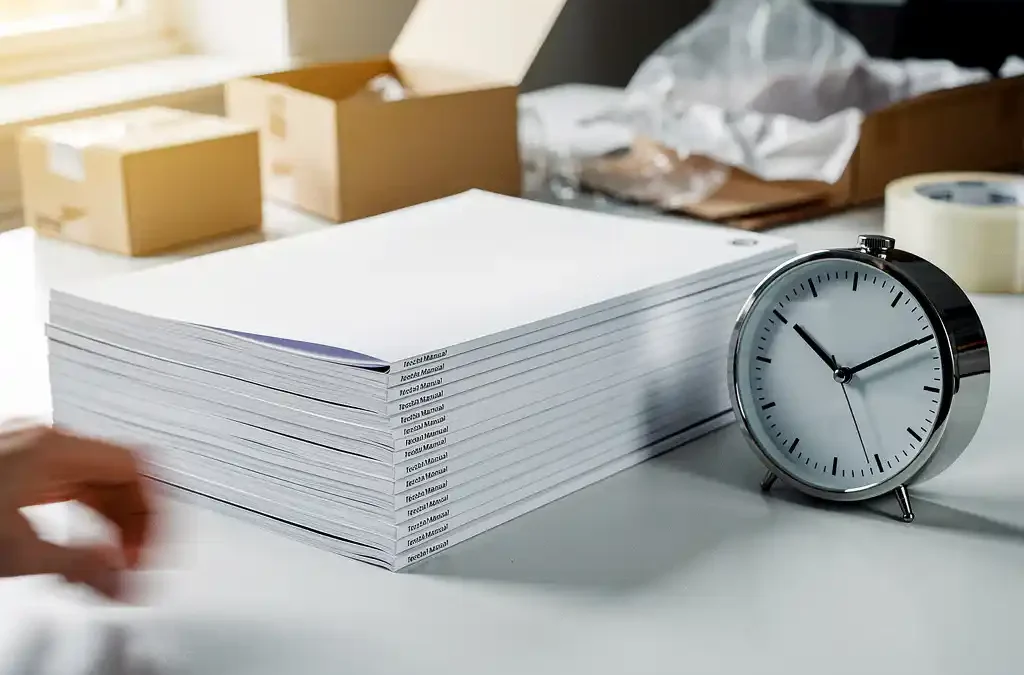
 For a rush order of printed manuals, a lead time of three to five business days is realistic, provided all files are submitted print-ready. When translation or DTP still need to be completed as part of the process, the turnaround time can quickly extend to seven to...
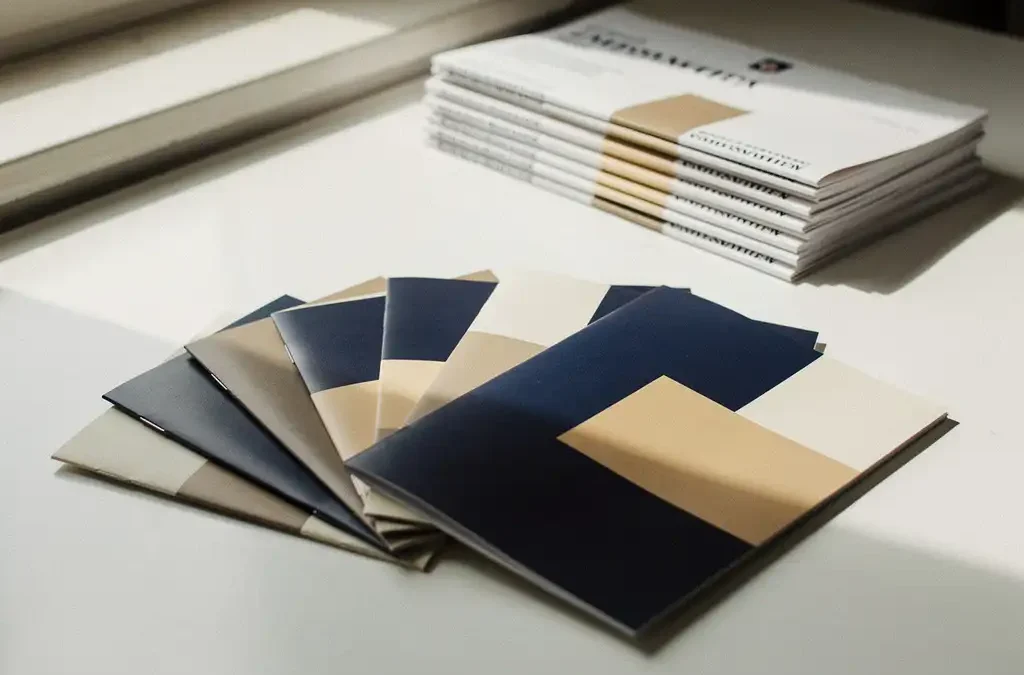 For B2B communications, several types of custom print materials are available, ranging from brochures and product catalogs to technical manuals, point-of-sale materials, and large-format trade show displays. The right choice depends on your target audience, the...
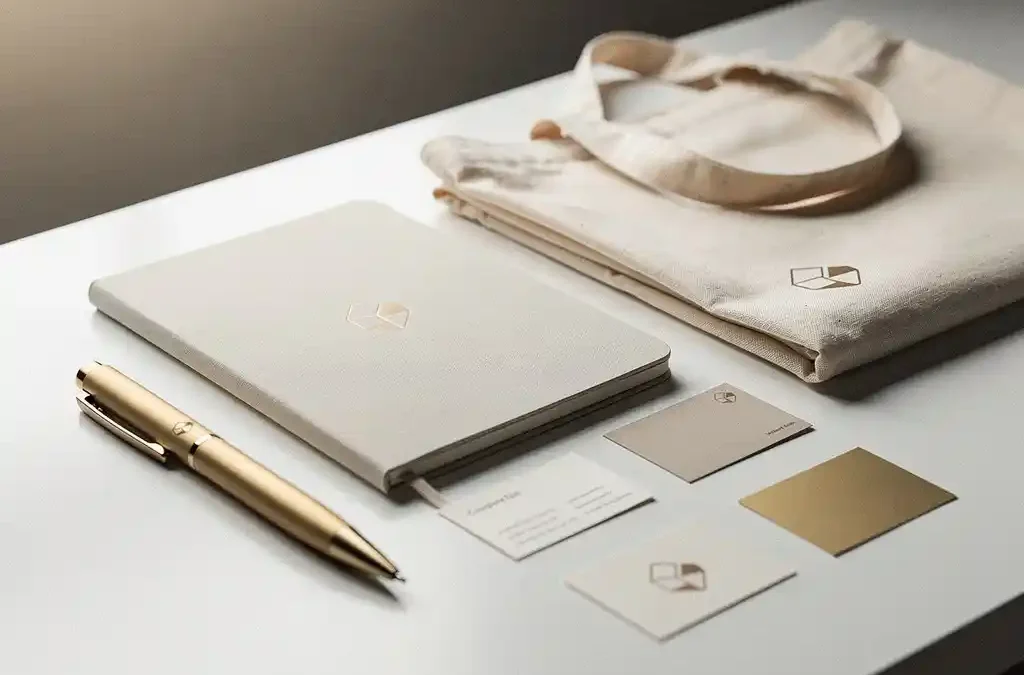 Yes, you can have your logo and corporate identity printed on promotional gifts and office supplies. From pens and mouse pads to large trade show materials: virtually any promotional item can be printed with a company logo or brand identity elements. The quality of...
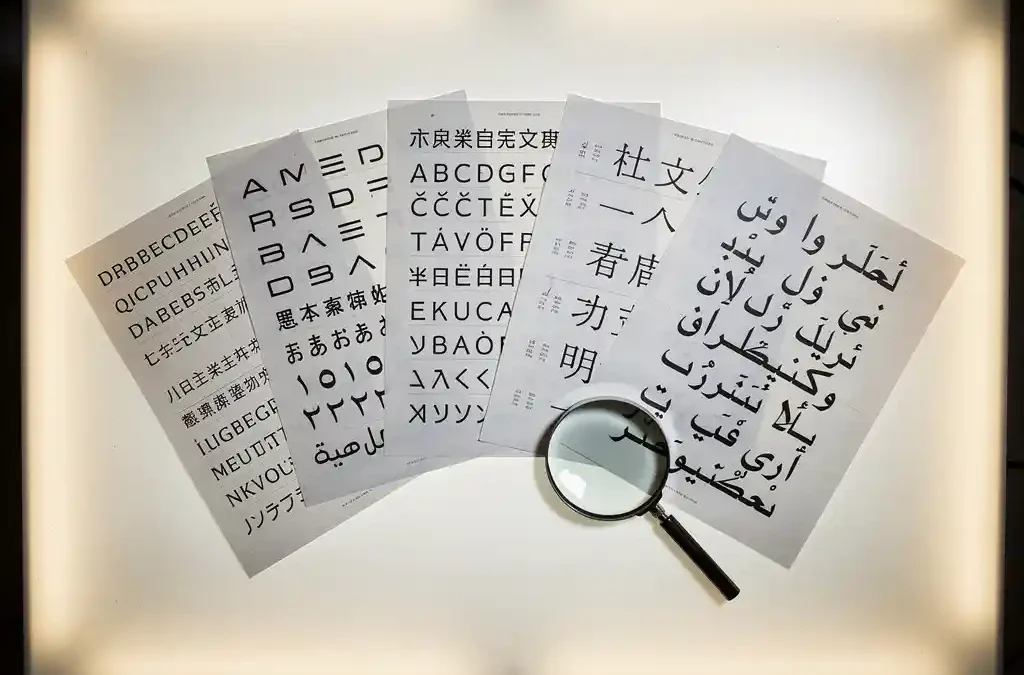 The proofreading process for multilingual print materials takes place across several coordinated rounds in which translators, DTP specialists, and client approvers work together to ensure that every language version is visually and substantively correct before it goes...
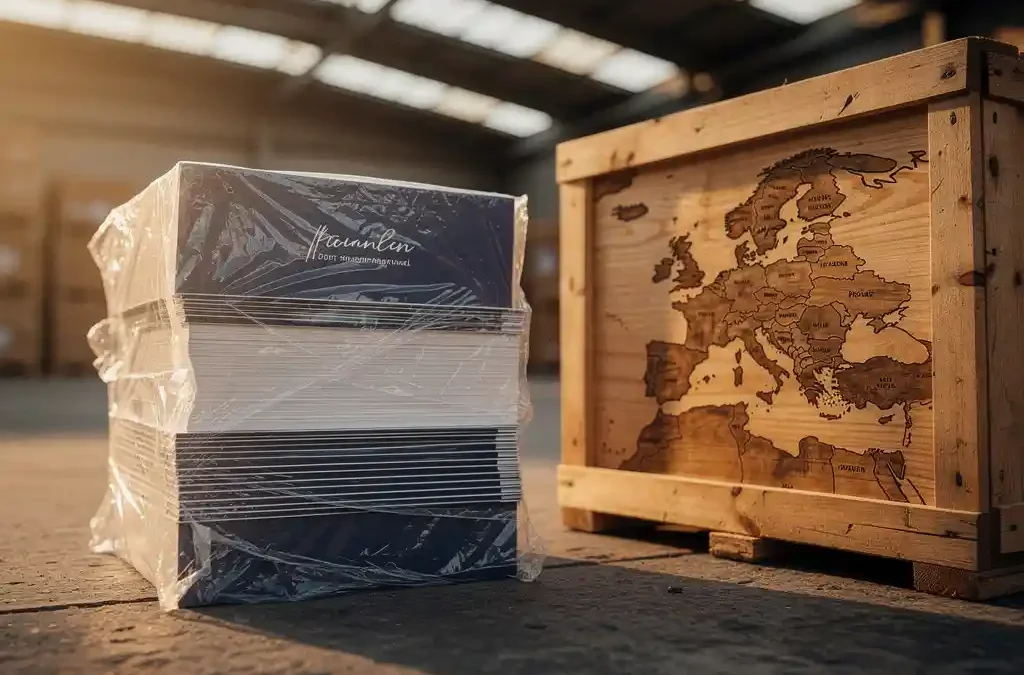 Yes, you can have your printed manuals distributed directly to your dealers across Europe. With the right logistics partner, your manuals are stored in a central warehouse after printing and shipped on demand to individual dealers in every European country. This saves...