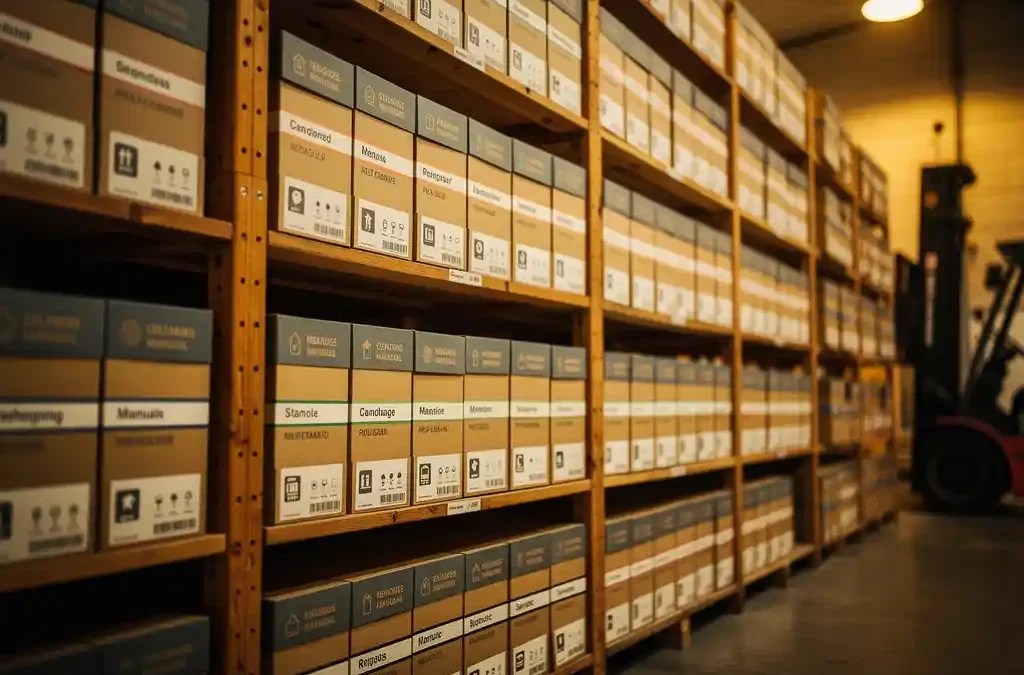
 Managing printed documentation inventories across multiple countries requires a combination of central oversight, smart storage decisions, and clear agreements with suppliers. By determining stock levels per country based on consumption data, maintaining tight version...
 Print-on-demand costs more per unit than printing large runs upfront, but total costs are often lower because you don’t build up inventory, pay for storage, or throw anything away. The break-even point typically falls somewhere between 200 and 1,000 units,...
 To ensure that printed materials comply with local regulations in each country, you need to map out the relevant laws and requirements per market, align your content and layout accordingly, and repeat this process with every product update or new market launch....
 Sustainable print options are available for product documentation, including recycled or FSC-certified paper, vegetable-based inks, print-on-demand digital printing, and soy-based coatings. The most sustainable choice depends on the print run, material usage, and...
 Choosing the right finish for printed marketing materials depends on the purpose of the material, the target audience, and the desired look and feel. Glossy finishes enhance vibrant images and draw attention, while matte finishes convey a professional, premium...