 Achieving consistent quality in print requires clear agreements, standardized briefings, and a rigorous quality control process with every print partner. The more partners involved, the greater the risk of variations in color, materials, and finishing. Want to know...
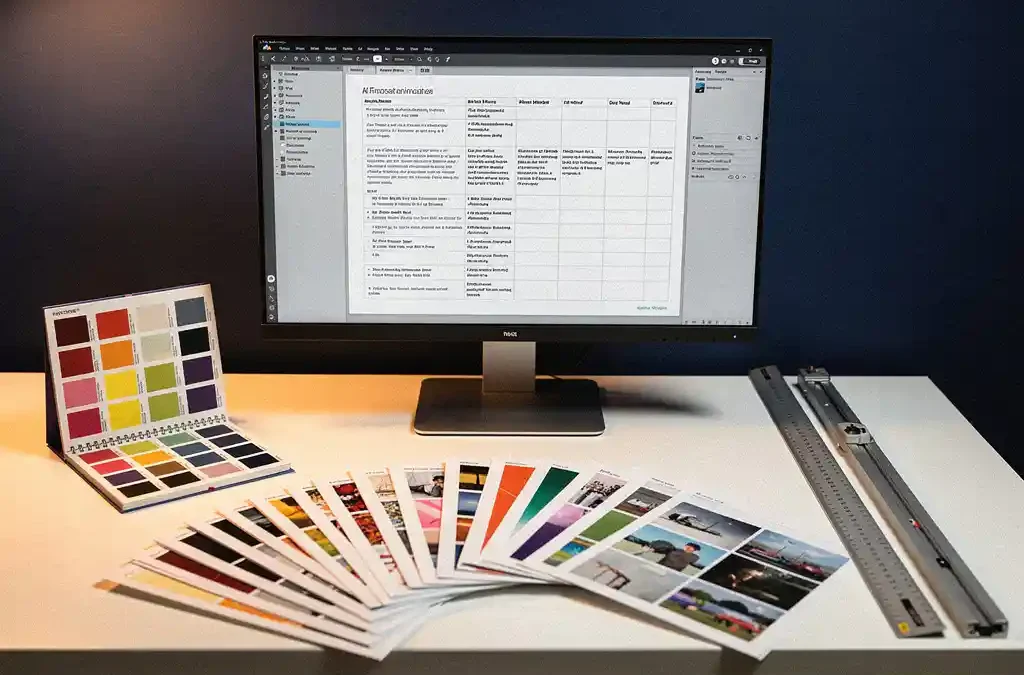 DTP, or desktop publishing, plays a crucial role in preparing print-ready files. It is the process of combining text, images, and layout into a file that meets the technical and visual requirements of a printer. Without professional DTP preparation, even the best...
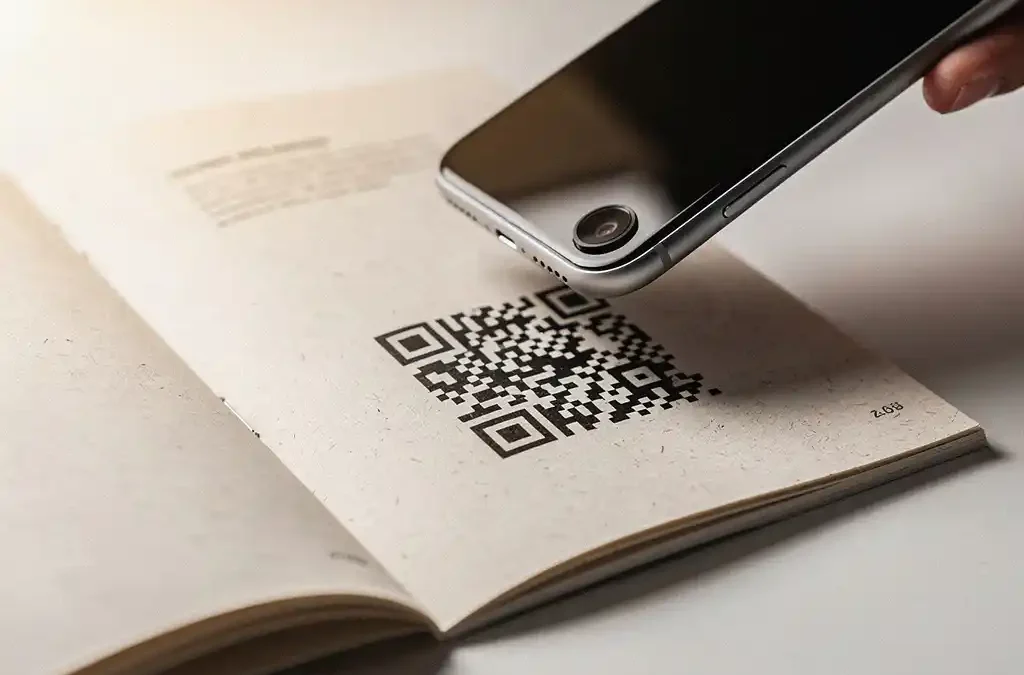 Integrating QR codes into printed product documentation involves generating a QR code that links to digital content, placing it in a logical location within the document, and ensuring the destination remains accessible and up to date after printing. This applies to...
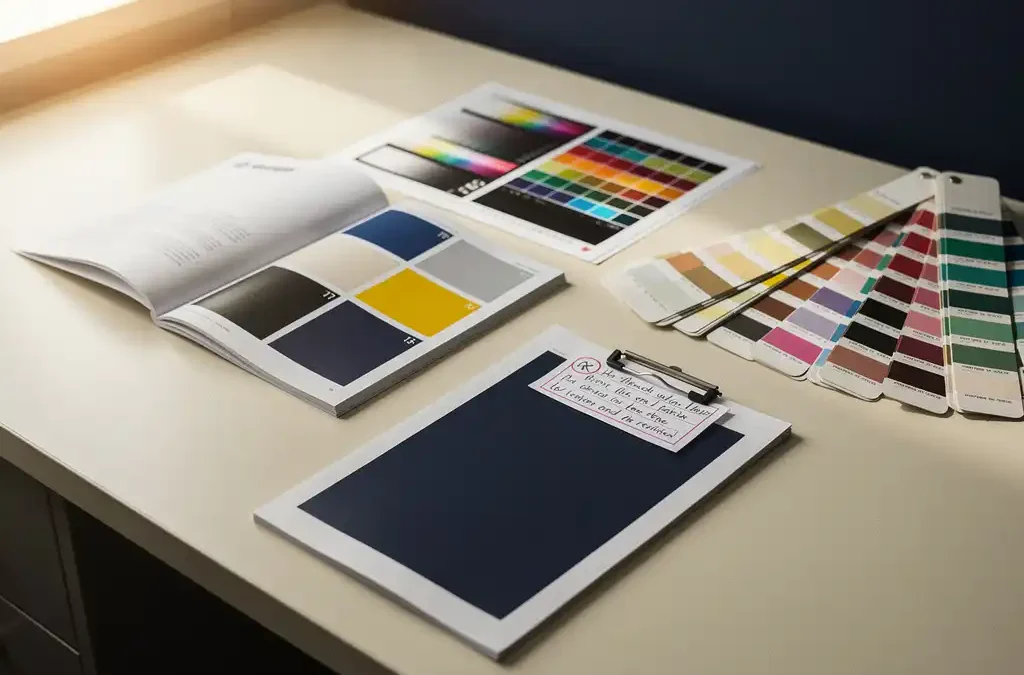 Make sure your print partner always has access to the most up-to-date version of your brand guidelines by using a centralized, shared system and communicating proactively with every update. This prevents printed materials from being produced based on outdated colors,...
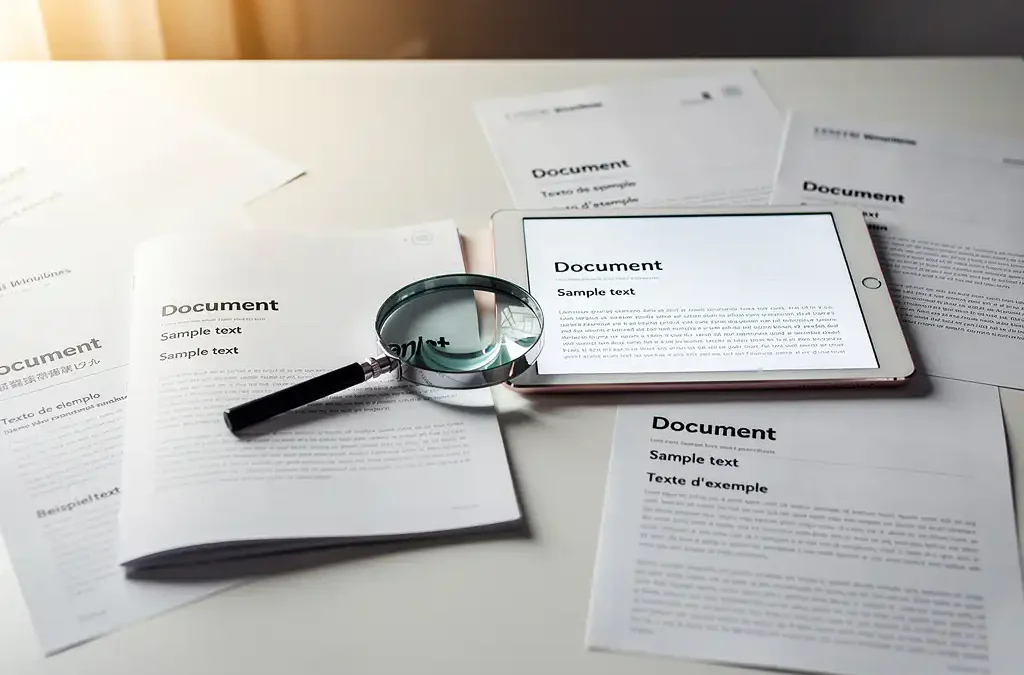 Yes, printed and digital documentation can be combined excellently in a single integrated solution. By managing both formats from one central workflow, you save time, prevent inconsistencies, and ensure your message is coherent across every channel. If you’re...