 The best way to update printed marketing materials after a product change is to immediately draw up a priority list: start with materials that customers actively use or that influence purchasing decisions, then work through the rest systematically. How quickly and...
 When choosing a printing company, the most relevant environmental certifications are FSC, PEFC, and ISO 14001. FSC and PEFC guarantee that paper comes from responsibly managed forests, while ISO 14001 demonstrates that a printing company actively manages its overall...
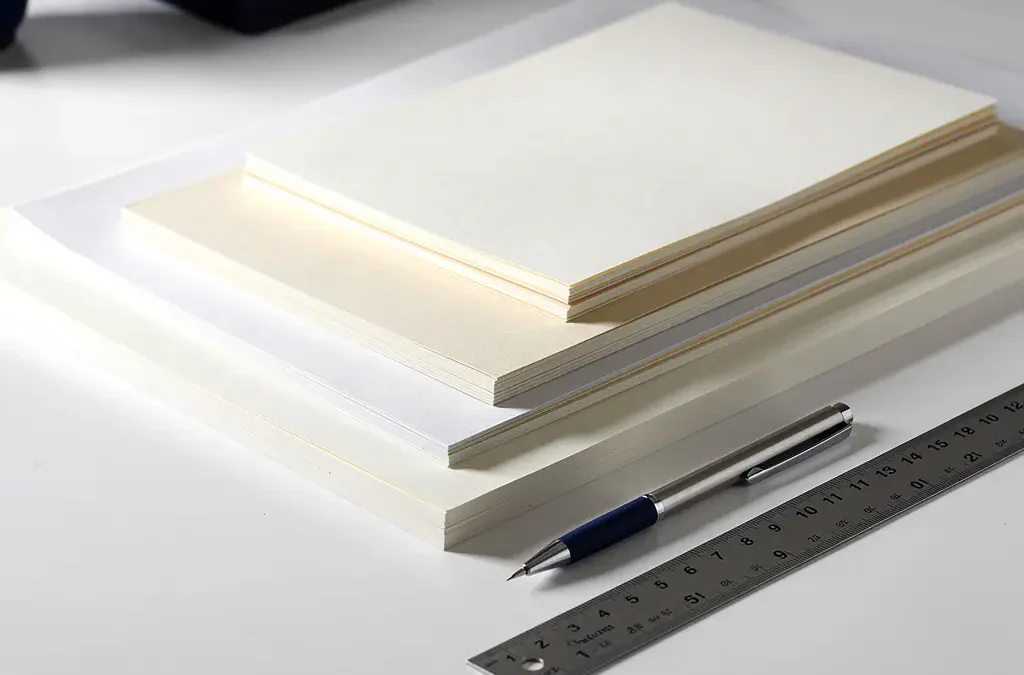 To adapt print materials for different paper sizes by country, adjust the page margins, text areas, and bleed zones in your DTP software based on the local standard format. In Europe, A4 is the norm, while countries such as the United States and Canada use the Letter...
 For trade shows, there are numerous large-format print options available: from roll-up banners and exhibition backdrops to floor stickers, banners, displays, and wall panels. The right choice depends on the venue, your available budget, and the look you want to...
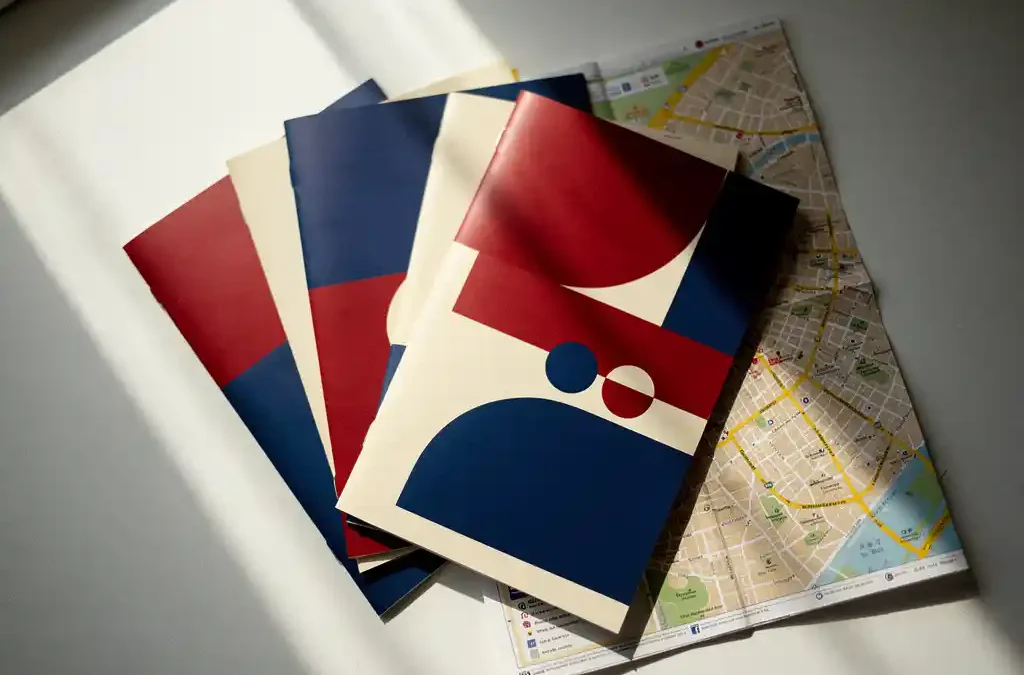 Promotional print materials for European retail are best handled by a specialized supplier that combines translation, layout, and print production under one roof. Standard printers often lack the multilingual expertise needed to correctly adapt materials for different...