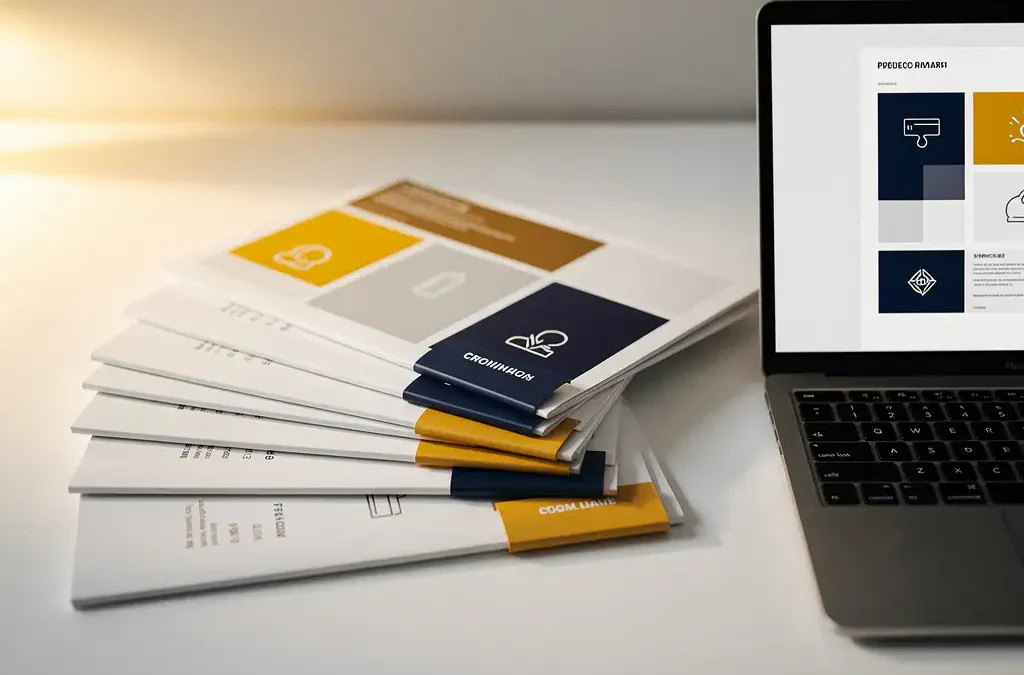
 To set up an ordering portal for your product documentation, you need a centralised platform where users can request, configure, and receive documents in the correct language, format, and version. The most effective portals combine a content management system with...
 The most efficient way to ship printed materials to multiple countries is to combine centralized printing with a professional fulfillment service that handles storage, localization, and distribution from a single hub. This approach reduces per-unit costs, eliminates...
 The most effective way to keep technical documentation up to date when your product keeps changing is to treat documentation as a living part of your development process rather than a one-time deliverable. This means building update triggers directly into your product...
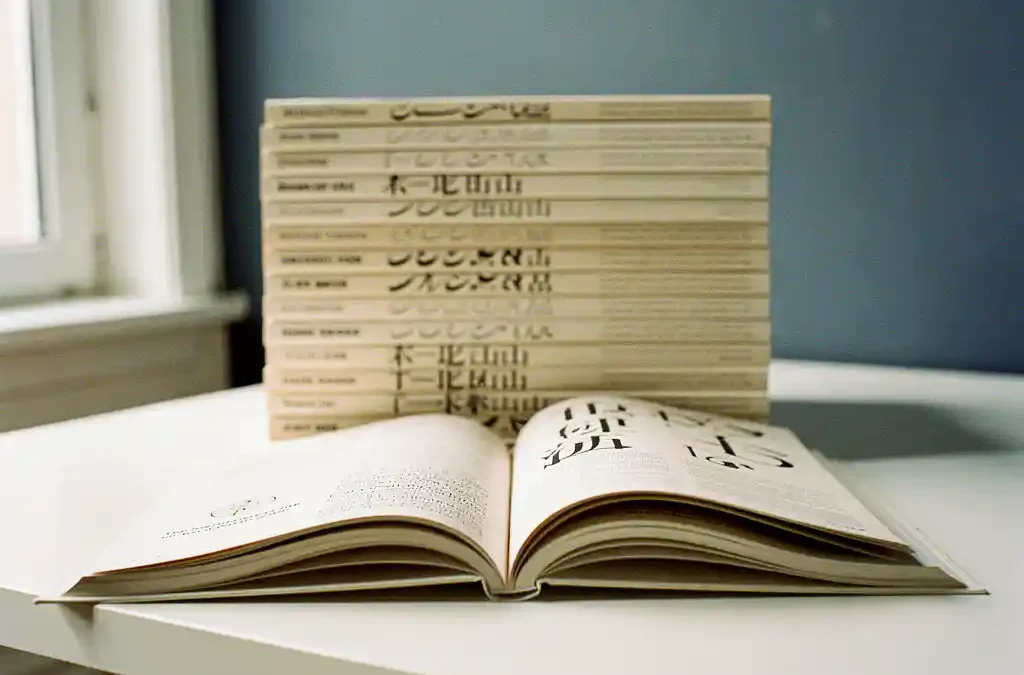 Producing catalogues in 10 languages does not have to cost 10 times as much as producing one. The biggest savings come from consolidating your translation, localisation, DTP, and print workflows under a single provider and making smart decisions about print...
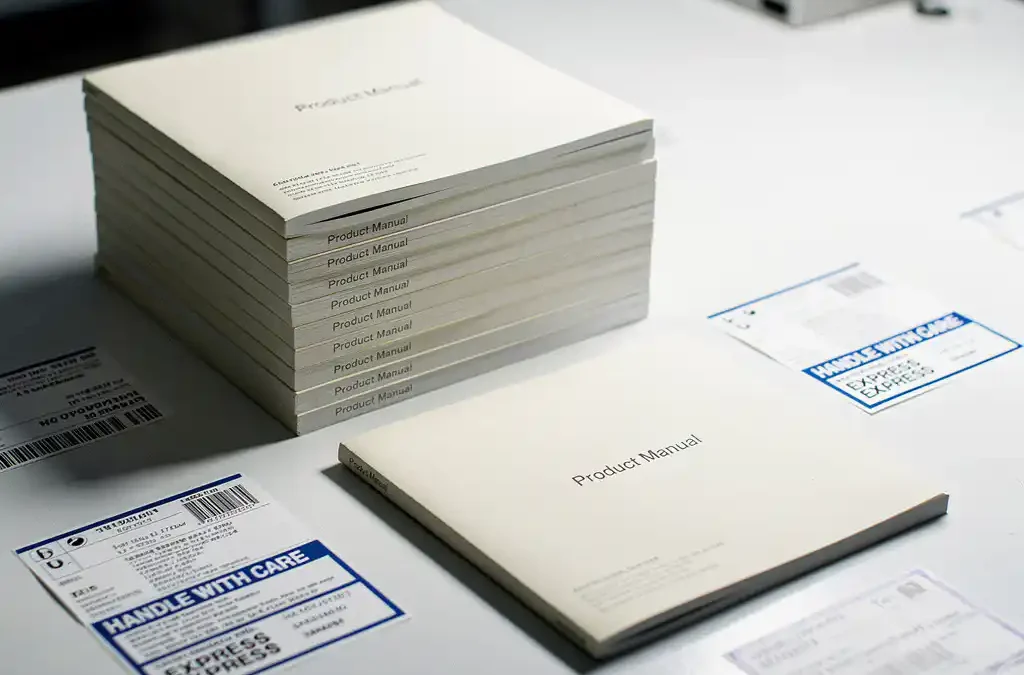 Print-on-demand is not always cheaper than bulk printing, but for international distribution it often delivers a lower total cost when you factor in storage, waste, and the complexity of multilingual documentation. Bulk printing wins on unit price, but that advantage...