
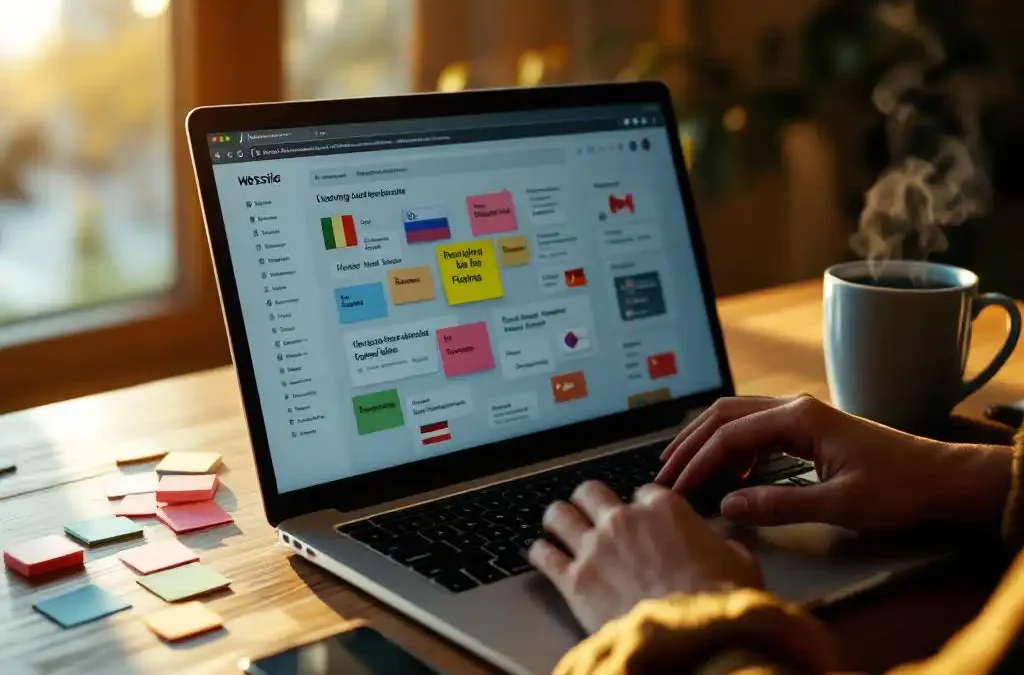
Dynamic content in web localisation requires specialised approaches because it changes continuously based on user interactions, database updates, and real-time information. Unlike static content that remains fixed, dynamic elements present unique challenges, including technical integration complexity, ongoing maintenance requirements, and quality control difficulties. Professional localisation services must adapt workflows to handle content that updates automatically while maintaining linguistic accuracy and cultural appropriateness across multiple languages.
What is dynamic content and why does it complicate web localisation?
Dynamic content includes real-time updates, user-generated content, personalised elements, and interactive features that change automatically based on data or user behaviour. This creates localisation challenges because content varies constantly, requires technical integration with databases and APIs, and demands ongoing maintenance, unlike static web pages that are translated once and remain stable.
The complexity stems from several factors that distinguish dynamic content from traditional static localisation. Database-driven content pulls information from multiple sources, creating dependencies between translation systems and content management platforms. User-generated elements such as comments, reviews, and social media feeds require real-time translation capabilities or moderation processes to ensure appropriate localised content appears across different markets.
Interactive features such as search functionality, filtering options, and personalised recommendations must work seamlessly in target languages while maintaining the same user experience. This means translating not just visible text but also underlying data structures, error messages, and system responses that users encounter during interactions.
How do you identify different types of dynamic content that need localisation?
Content auditing begins with mapping all database-driven elements, user interface components with real-time updates, personalised recommendation systems, social media integrations, search results, and interactive forms. Each category requires different localisation approaches and technical solutions to ensure proper functionality across target markets.
Database-driven content includes product catalogues, news feeds, and inventory systems that pull information automatically. These elements need translation workflows that integrate directly with content management systems to handle updates without manual intervention. User interface components such as navigation menus, button labels, and status messages require coordination between development teams and translators to ensure consistency.
Personalised content presents particular challenges because recommendations, user dashboards, and customised messaging must reflect local preferences and cultural norms. Social media feeds and user-generated content need moderation strategies to handle inappropriate or culturally insensitive material that could appear in localised versions.
Interactive forms, search functionality, and filtering options require comprehensive localisation of not just visible elements but also validation messages, search algorithms, and data processing functions that affect the user experience in different languages and regions.
What technical approaches work best for localising dynamic content?
API-based translation integration, content management system configurations, automated workflow setups, and real-time translation technologies provide the most effective solutions for dynamic content localisation. The choice depends on content types, update frequency, quality requirements, and available technical resources within your organisation.
API integration allows translation management systems to connect directly with content databases, enabling automatic detection of new content and streamlined translation workflows. This approach works well for frequently updated content such as product descriptions, news articles, and user-generated material that requires consistent processing.
Content management system configurations can separate translatable content from code, making updates more efficient while reducing technical complexity. This method suits websites with regular content updates but relatively stable functionality and structure across different language versions.
Automated workflows combine translation memory, terminology management, and quality assurance tools to handle repetitive content efficiently. Machine translation with human post-editing can provide cost-effective solutions for high-volume, time-sensitive content while maintaining acceptable quality standards.
Real-time translation technologies work best for user-generated content, chat systems, and interactive features where immediate translation is essential for the user experience, though they typically require more sophisticated quality control measures.
How do you maintain quality control with constantly changing dynamic content?
Quality assurance for dynamic content requires automated testing procedures, linguistic validation processes, cultural adaptation checks, and ongoing monitoring systems. The framework must balance speed requirements with quality standards while managing the continuous flow of content updates across multiple languages and platforms.
Automated testing procedures include functionality testing to ensure interactive elements work correctly in all target languages, linguistic testing to catch translation errors or formatting issues, and cultural testing to identify inappropriate content or imagery for specific markets.
Linguistic validation processes involve establishing clear terminology databases, maintaining translation memories for consistency, and implementing review workflows that can handle urgent updates without compromising quality. This includes setting up escalation procedures for content that requires cultural adaptation beyond direct translation.
Ongoing monitoring systems track user behaviour, error reports, and feedback across different language versions to identify quality issues quickly. Regular audits of translated content help maintain consistency and identify areas where automated processes may need adjustment or human intervention.
Cultural adaptation checks ensure that personalised content, recommendations, and user-generated material remain appropriate for local audiences while maintaining the intended functionality and user experience across all markets.
What are the biggest challenges in dynamic content localisation and how do you solve them?
Content synchronisation issues, technical integration complexities, resource allocation challenges, and quality consistency problems represent the most common obstacles in dynamic content localisation. Solutions involve establishing clear processes, investing in appropriate technology, and maintaining ongoing communication between technical and linguistic teams.
Content synchronisation requires robust project management systems that track updates across multiple languages while ensuring translations remain current with source content changes. Version control systems and automated notifications help teams manage updates efficiently without losing track of translation status or quality requirements.
Technical integration complexities demand close collaboration between developers, translators, and project managers to ensure translation systems work seamlessly with existing infrastructure. Regular testing and staging environments help identify potential issues before they affect live websites or applications.
Resource allocation challenges involve balancing speed, quality, and cost considerations for different types of dynamic content. Establishing clear priorities and service level agreements helps teams focus efforts on the most critical content while managing less urgent updates through automated or simplified processes.
Quality consistency problems require comprehensive style guides, terminology management, and regular training for translation teams working with dynamic content. Clear escalation procedures and regular quality audits help maintain standards while accommodating the rapid pace of content updates.
Successfully managing dynamic content localisation requires ongoing investment in both technology and processes, but the results enable businesses to maintain consistent global user experiences while adapting to local market requirements. For organisations looking to implement or improve their dynamic content localisation strategies, professional guidance can help navigate these complexities and develop tailored solutions that meet specific business requirements.
Frequently Asked Questions
How long does it typically take to set up dynamic content localisation for a website?
Implementation timelines vary from 2-8 weeks depending on your website’s complexity, number of target languages, and existing technical infrastructure. Simple sites with basic dynamic elements might be ready in 2-3 weeks, while complex e-commerce platforms with multiple databases and user-generated content can take 6-8 weeks for full integration and testing.
What happens if my dynamic content updates faster than translations can be completed?
Implement a priority-based workflow where critical content gets immediate human translation, while less urgent updates use machine translation with scheduled human review. Set up content queuing systems and establish clear guidelines for which content types require immediate translation versus those that can wait for the next review cycle.
Can I use the same translation approach for all types of dynamic content on my website?
No, different content types require tailored approaches. User-generated content might use real-time machine translation, product descriptions need human quality assurance, and interactive UI elements require careful cultural adaptation. Create content categorisation systems that automatically route different types through appropriate translation workflows.
How do I handle dynamic content that includes local regulations or legal requirements?
Establish separate workflows for legally sensitive content that bypass automated translation and require specialist legal translators. Create content tagging systems that flag regulatory content for manual review, and maintain country-specific legal terminology databases to ensure compliance across all markets.
What's the most cost-effective way to start with dynamic content localisation on a limited budget?
Begin with API-based machine translation for non-critical dynamic content like user comments or basic product updates, while prioritising human translation for key conversion elements. Focus on 2-3 primary target markets initially, and gradually expand as you refine processes and demonstrate ROI.
How do I measure the success of my dynamic content localisation efforts?
Track key metrics including user engagement rates per language, conversion rates across localised markets, content update lag times, and translation quality scores. Monitor user feedback and support tickets related to language issues, and measure the percentage of dynamic content successfully translated within your target timeframes.
What should I do when automated translations produce culturally inappropriate results in dynamic content?
Implement content filtering systems that flag potentially sensitive terms for human review before publication. Create market-specific blacklists and cultural guidelines, establish rapid response procedures for removing inappropriate content, and maintain local market contacts who can provide immediate cultural context when issues arise.
Related Articles
- What are the advantages of local printing versus central printing and distribution?
- How can ISO 9001 certification of a print partner improve my production process?
- Which paper quality is most suitable for product manuals?
- What programming languages are easiest to localise?
- How do you plan software localisation project schedules?